
The Mind Exchange Interview Series
The Mind Exchange Interview Series highlights global and local professionals engaged in mental health work. Interviews focus on educational background, research projects, and professional accomplishments.
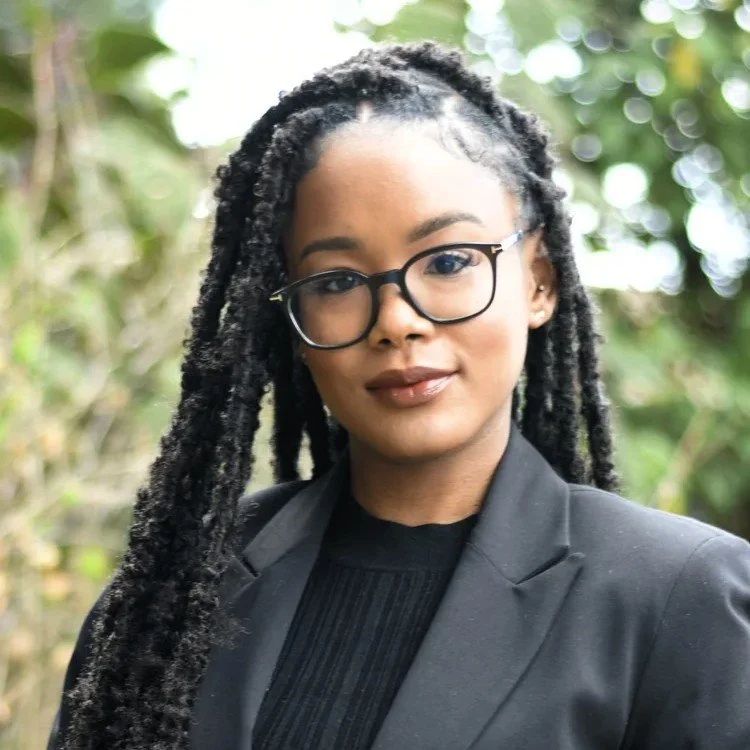
“The moment you are challenged, and you have to get out of your natural context… get out and see what’s out there and come home and make it better.”
— Dr. Nokulunga Shabalala
Johannesburg, South Africa
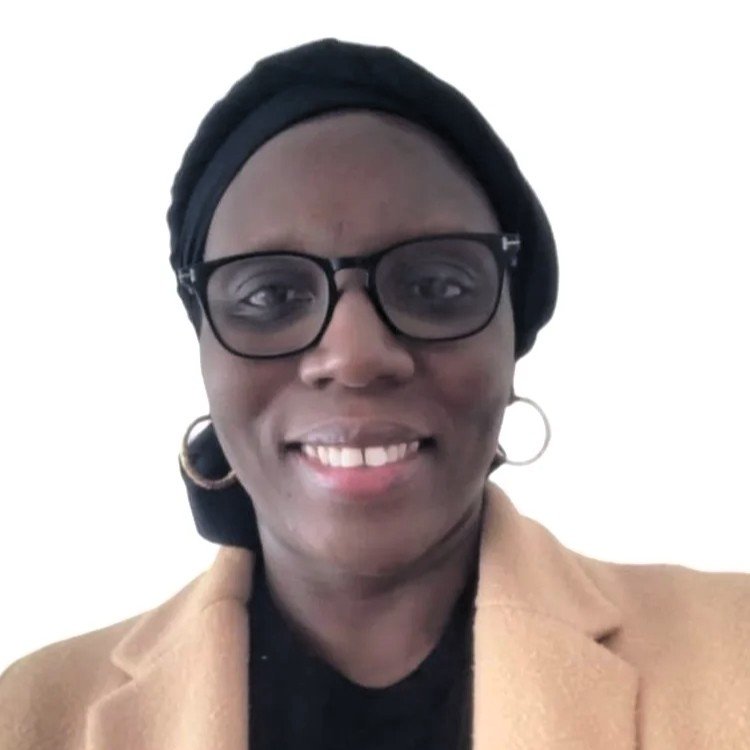
“I understood that if we act on the environmental factors of schizophrenia, we can improve the prognosis of the disease.”
— Dr. Racky Wade
Dakar, Senegal
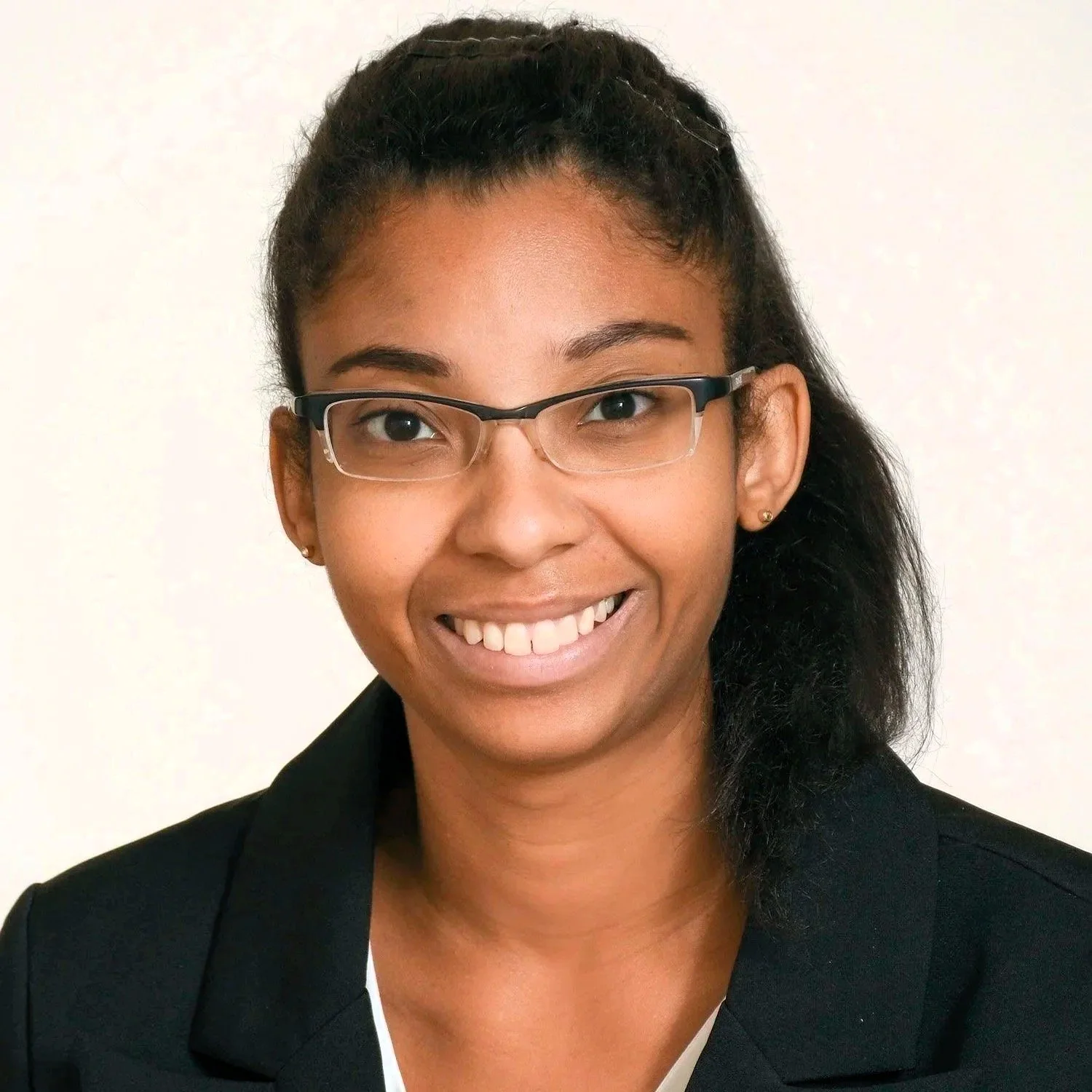
“It’s essential to prioritize quality mental health care for marginalized populations... Every small step counts, and I’m looking forward to making a meaningful impact through our efforts to address these barriers.”
— Dr. Krisztina Baltimore
Buffalo, New York
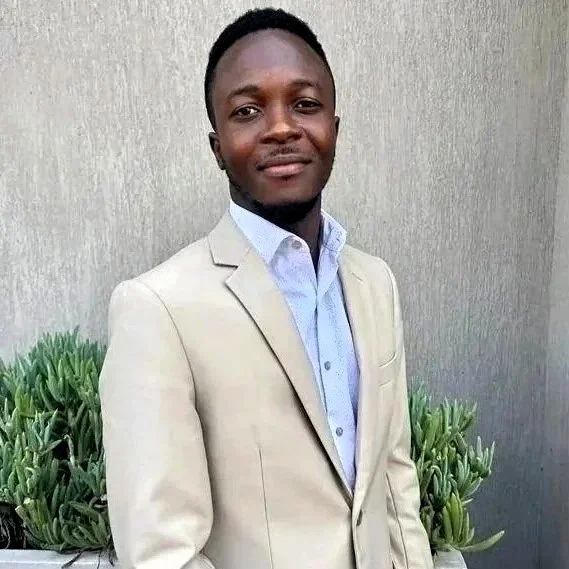
“Being there for others is a gesture that goes beyond profession and practice, touching the essence of what it means to be in the field of mental health.”
— Dr. Wilbur T.S. Harris
Monrovia, Liberia
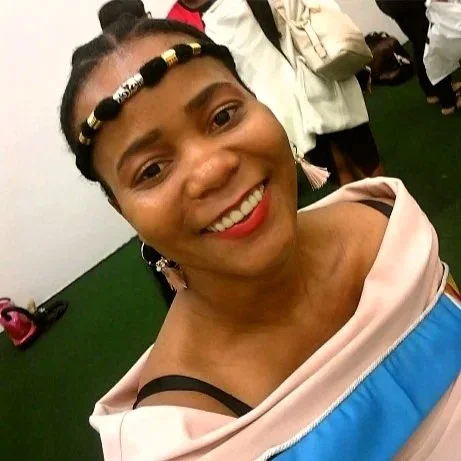
“When people are determined, they can overcome anything.”
— S’thembile Phindile Promise Jili
Durban, South Africa
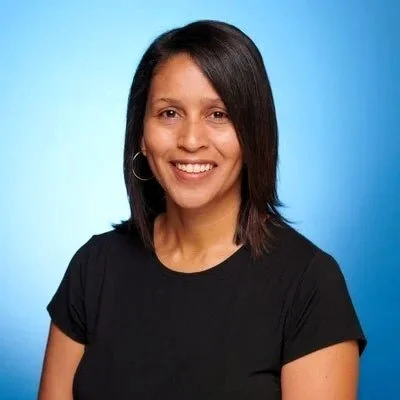
“Between working locally or globally, at the end of the day, we have to remember that there is a person in front of us.”
— Michelle P. Durham, MD, MPH, FAPA, DFAACAP
Boston, USA
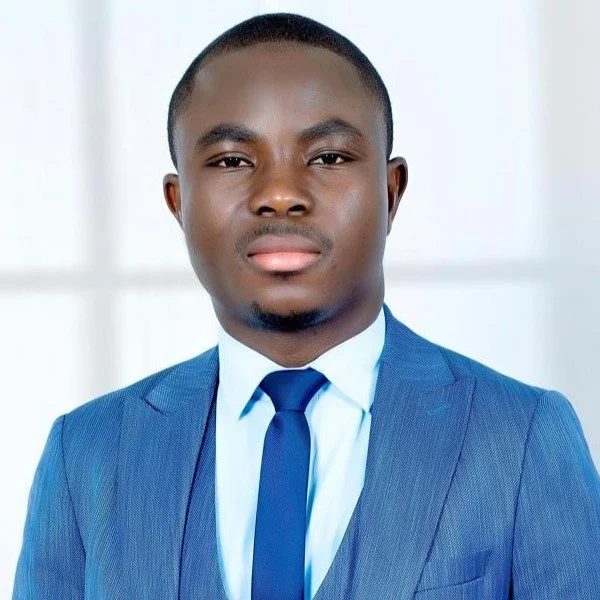
“Two words – ‘Truth’ and ‘Competence’ always build confidence.”
— Moses Ziah II, MD, MLCPS (Psych)
Monrovia, Liberia
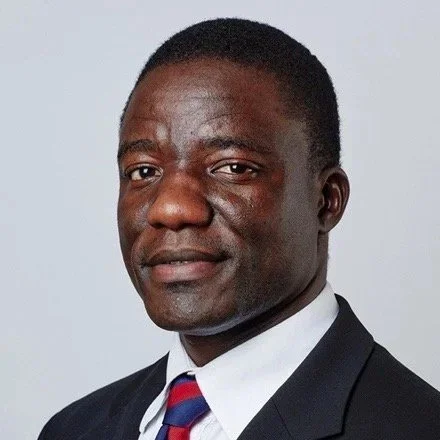
“Anything and everything costs something.”
— Lawrence Were, PhD
Boston, USA
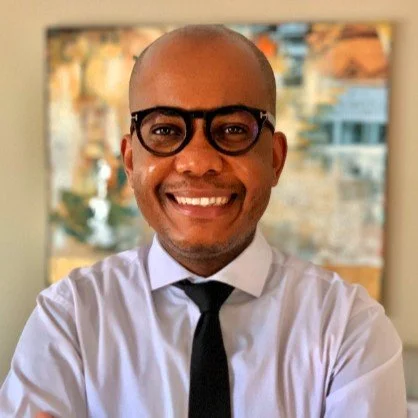
“You need patience, you need empathy, and you need love for human beings to do this job.”
— Lebogang Phahladira, MBChB, DMH, FCPsych, PhD
Stellenbosch, South Africa
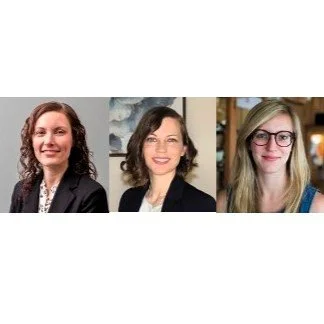
This spotlight interview celebrates three of our T32 Global Psychiatry Fellows on their completion of the training program this month. Congratulations to Drs. Kimberly Hook, Amelia Stanton, and Maria Prom!
Boston, USA
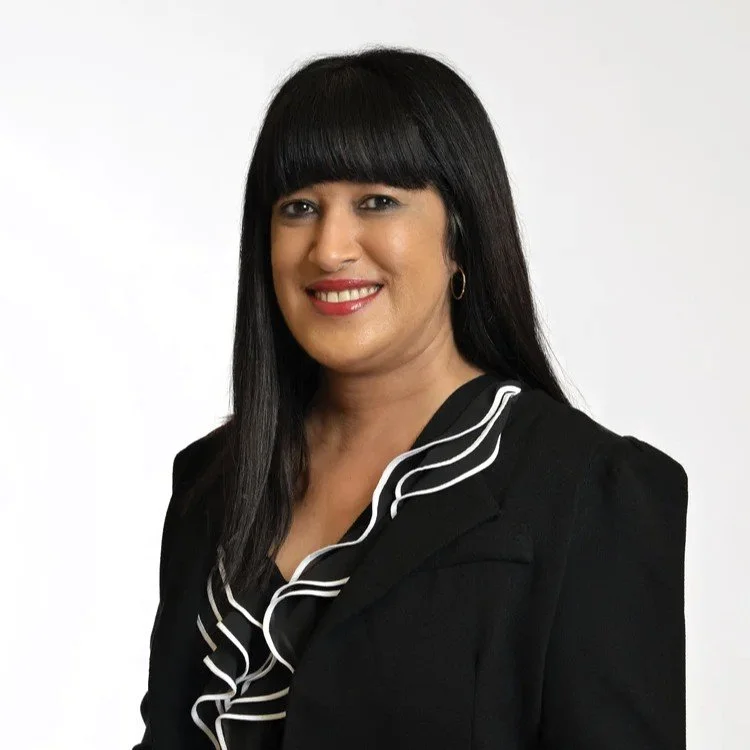
“I don’t look for equal partnerships, rather I look for equity and parity in other domains in engagement and intellection. I look for the common will among collaborators to invest, to work together, to share passions, and to contribute in a meaningful way.”
— Soraya Seedat, MBChB, MMed (Psych), PhD
Stellenbosch, South Africa
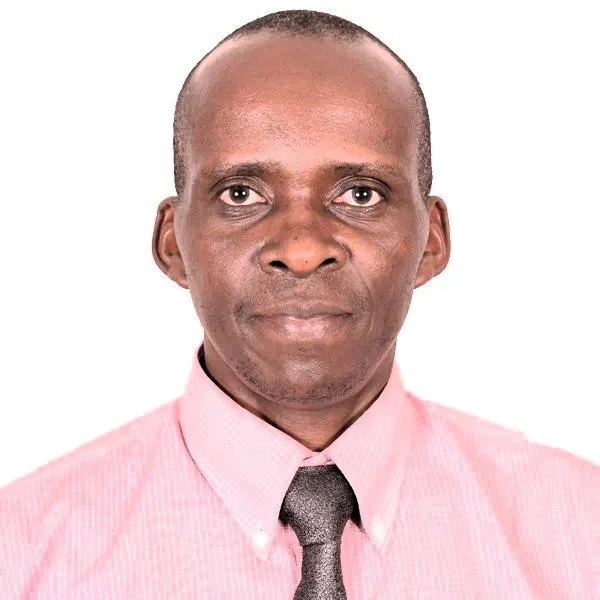
“Many Ugandans have never seen a psychiatrist with their own eyes. Many couldn’t even recognize the word ‘psychiatrist’ by name.”
— Godfrey Zari Rukundo, MBChB, CFCAP, PhD
Mbarara, Uganda
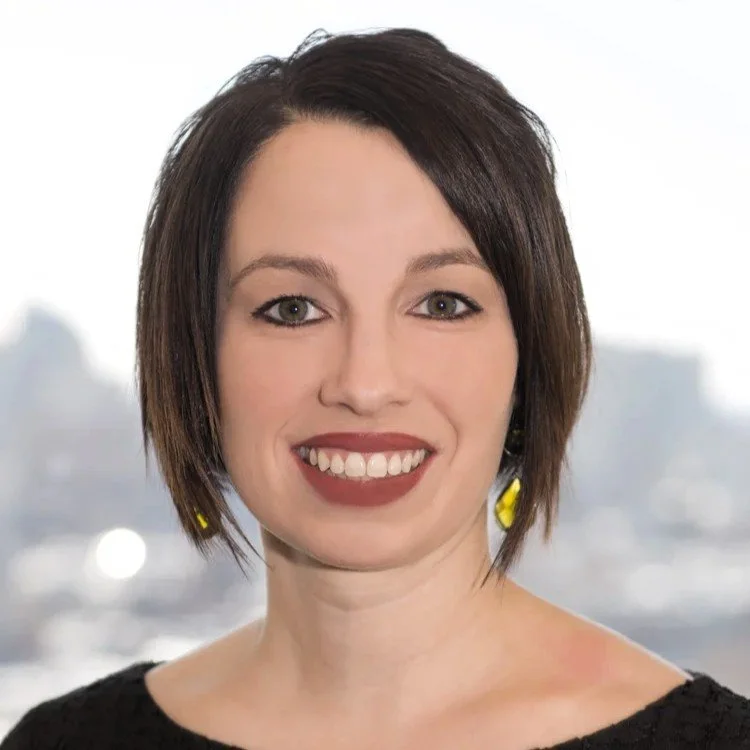
“My joy for global health is asking and working on, ‘How do I build the next generation of scientists in this country?’”
— Christina P.C. Borba, PhD, MPH
Boston, USA
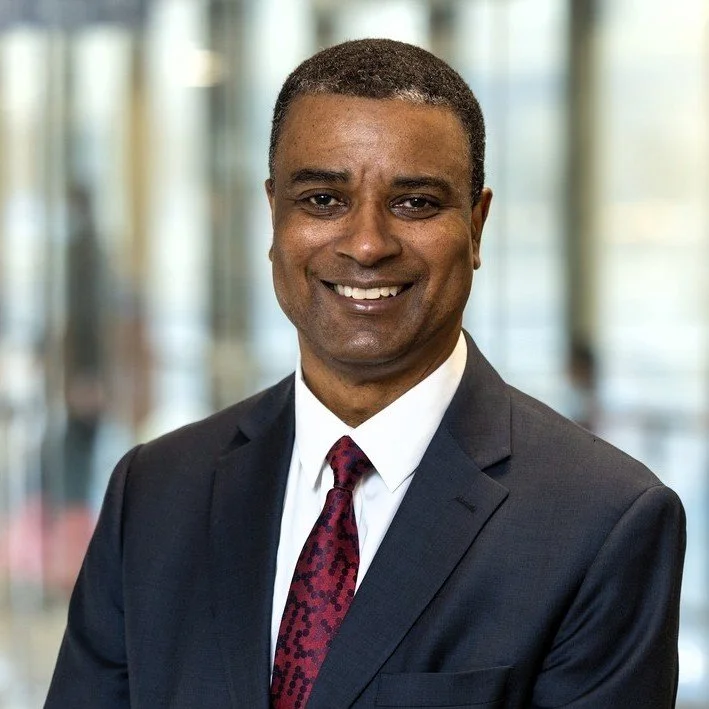
“When I went to Somaliland, I saw so many people chained up. However, their families didn’t do that to be mean or to punish them; it was actually to protect their loved ones. If they are running around the community, they could get killed. It makes me have a newfound respect for what chains represent. It kept their loved ones safe. In order to get rid of the chains, you need to deliver mental health care.”
— David C. Henderson, MD
Boston, USA
“By otherizing, you create this niche space to deal with the problem while still going about your business. There’s a term for it: it is a ghettoization of a field. It is not global mental health to me, it is just mental health.”
— Laila Asmal, PhD, MBChB, MSc
Cape Town, South Africa
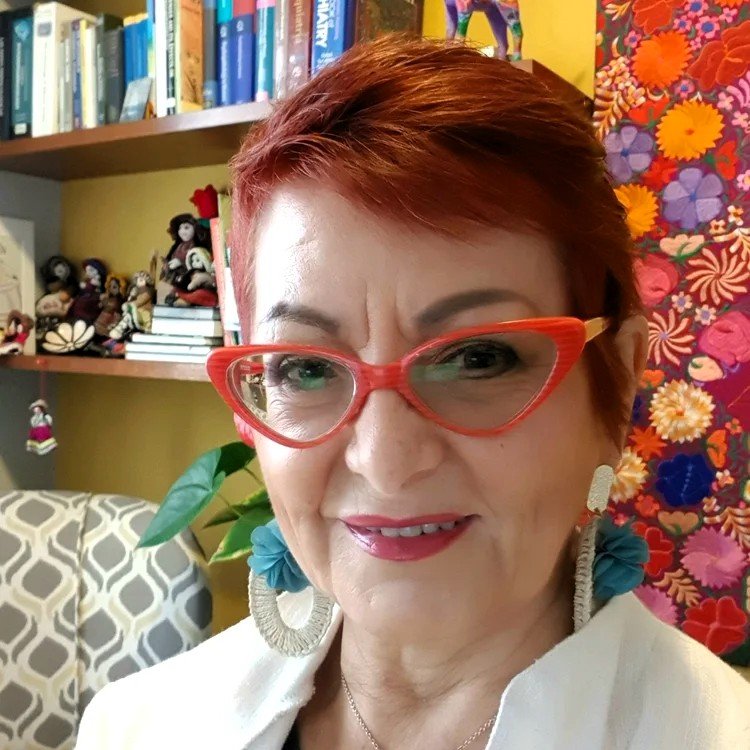
“When you talk to women about prioritizing their own wellbeing, it’s always the response of ‘What are you talking about?’ They are always confused because we are not raised to think about our own wellbeing. The most important byproduct of therapeutic abortion is that we present to women the idea that their wellbeing is important.”
— Marta Rondón, MD, MSc
Lima, Peru
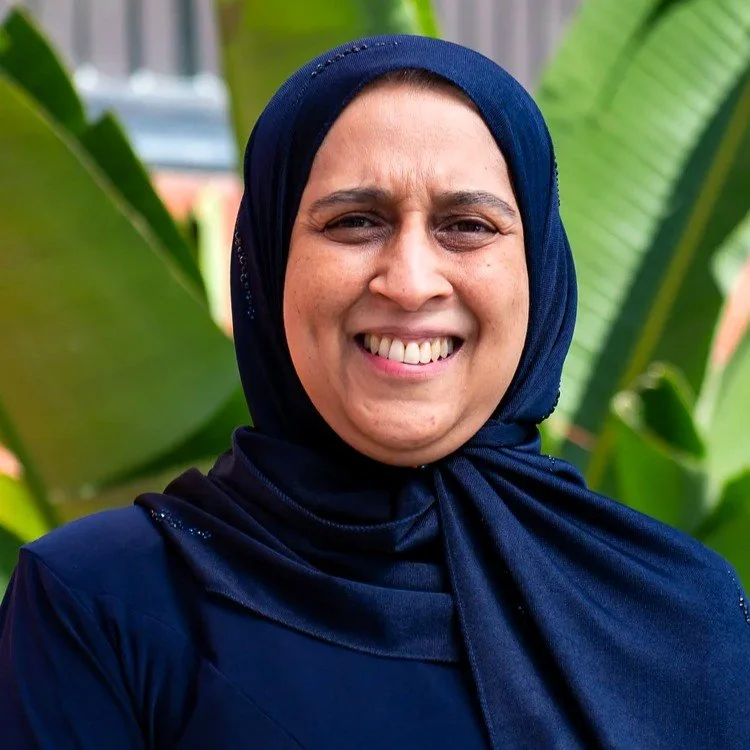
“It is critical to empower people with knowledge. We still need much more equity and advocacy. COVID has taught us how much we as a world are one.”
— Saeeda Paruk, PhD, MBChB, FCPsych
Durban, South Africa
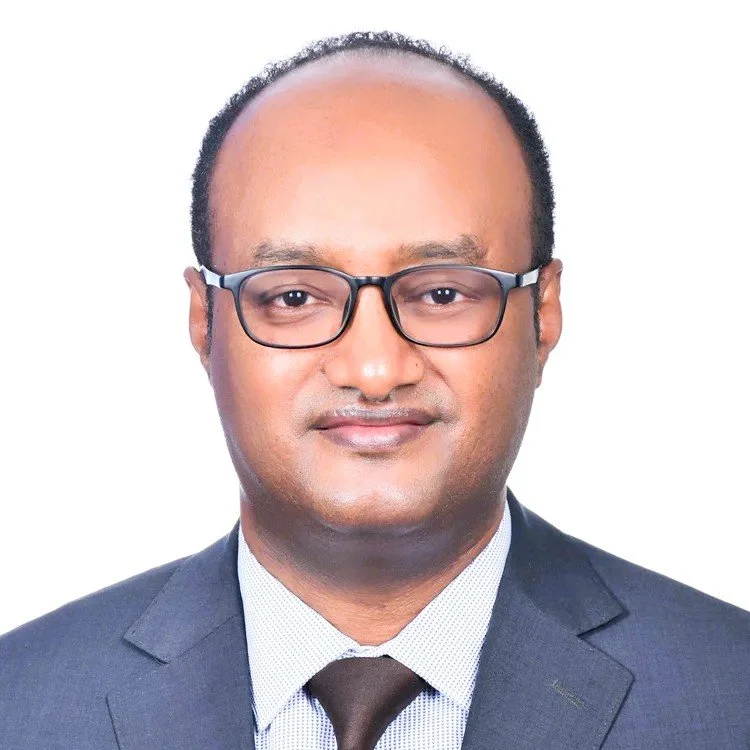
“I think it is also important to ask ourselves, are we generating evidence that will help our communities or are we just generating for the sake of adding knowledge to the existing body of science?”
— Solomon Teferra, MD, PhD
Addis Ababa, Ethiopia
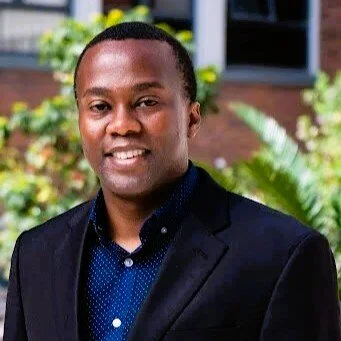
“The real needs in global health at the moment is psychosis, or people with severe mental illness.”
— Bonga Chiliza, PhD, MBChB, FCPsych
Durban, South Africa
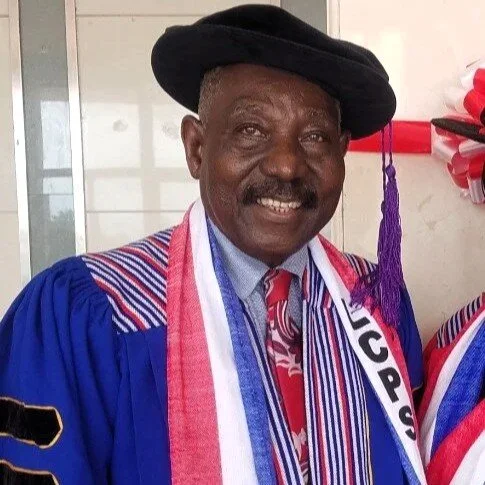
“Being the only Liberian psychiatrist practicing in the country for some time, having a training program that grooms Liberians to take on the mantle of mental health services is a fulfillment of my dreams.”
— Benjamin Harris, MD, DPM
Monrovia, Liberia
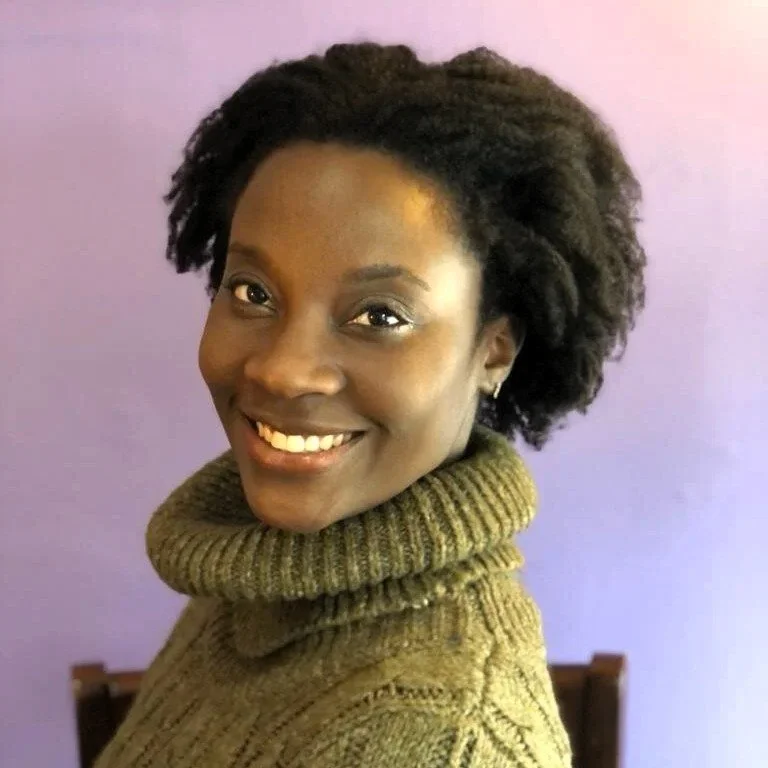
“You don’t have to travel to be doing global and cultural work. We are a society of a bunch of different people that are coming together.”
— Micaela Owusu, MD, MSc
Boston, USA
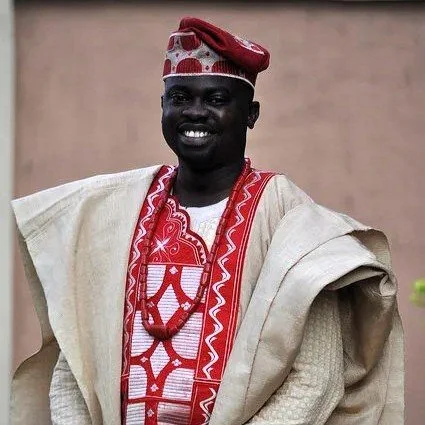
“Developing mental health services in Liberia is a marathon and not a sprint... I am committed to creating structures, laying the foundations for various subspecialties and promoting research.”
— Babawale Ojediran, MBBS, MSc
Monrovia, Liberia