
Liberia
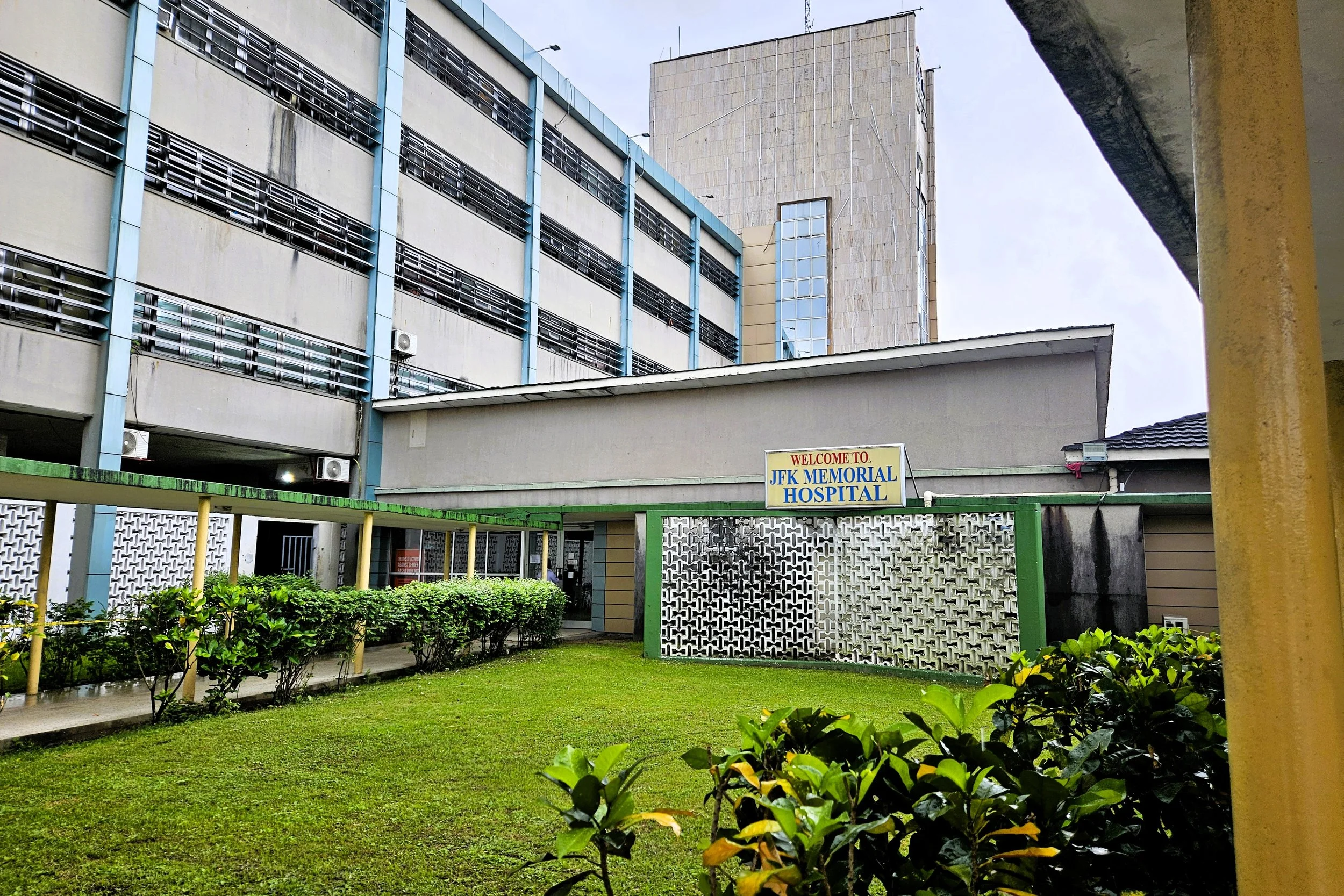
In partnership with the Liberia College of Physicians and Surgeons (LCPS), we support capacity building to strengthen Liberia’s mental health workforce. Through residency and fellowship training, we prepare psychiatrists in Liberia to provide patient care and support mental health services nationwide. Learn more about our programs below:
Responding to the Need for Mental Health Care
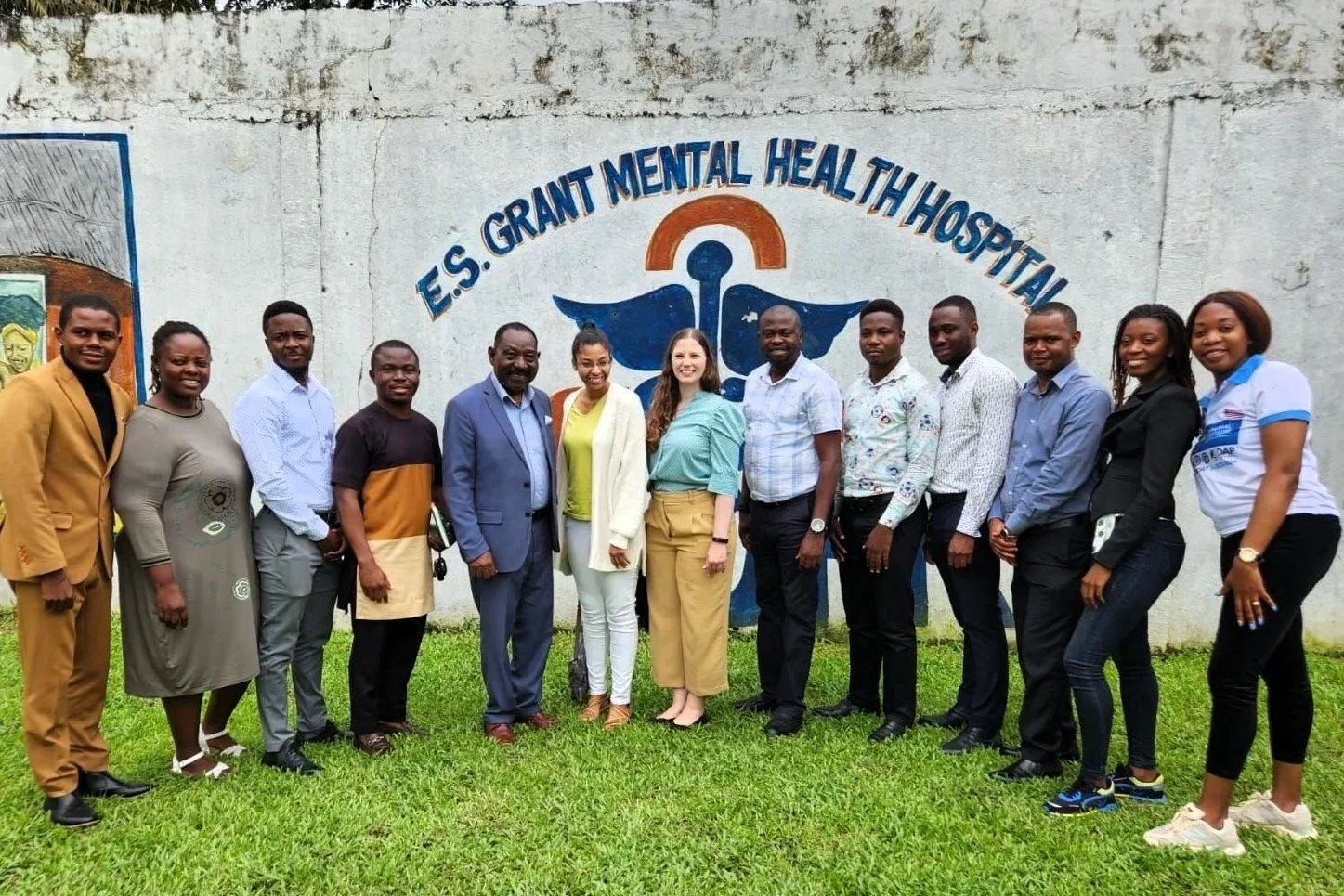
Due to a devastating civil conflict, Liberia’s mental health workforce has been faced with an overwhelming number of psychological and psychosocial problems as there remains a lack of indigenous resources to meet the mental health needs of the country.
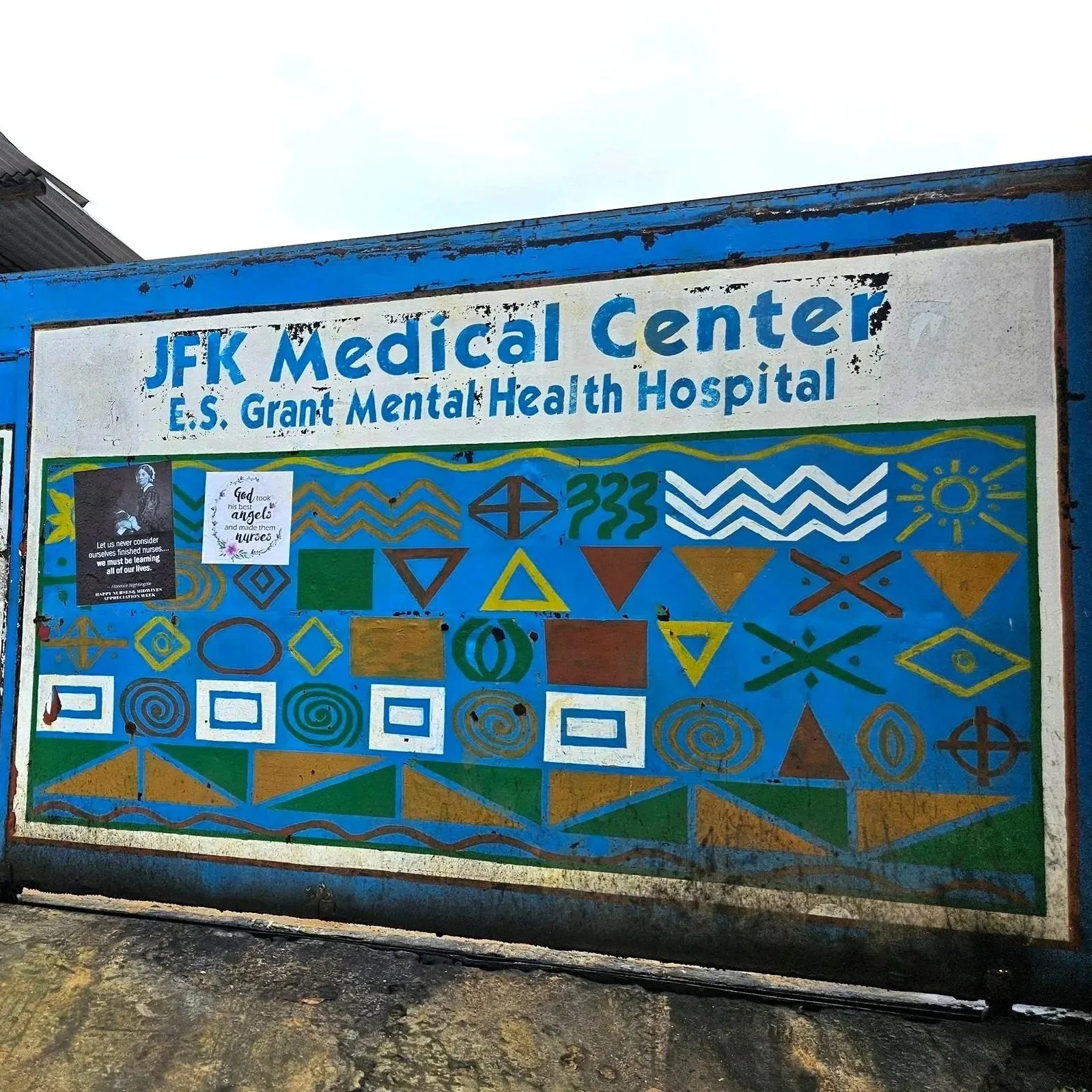
In 2019, the BUSM/BMC Department of Psychiatry’s Global & Local Center partnered with the Liberia College of Physicians & Surgeons (LCPS) to launch Liberia’s Psychiatry Residency Training Program at the John F. Kennedy Medical Center. The mission of the program is to address the critical need for medical training opportunities in the field of psychiatry and mental health to produce psychiatrists who are able to deliver effective mental health services.
Subsequently, reflecting on progress from the development of the LCPS Psychiatry Residency Program, a Fellowship Program was created to ensure that its graduates will provide effective service, teaching, research, and leadership within the discipline appropriate to primary and secondary care levels.
By training local physicians as psychiatrists in Liberia the LCPS program aims to improve the following outcomes:
improved quality of supervision available to the previously trained 268 mental health clinicians (i.e., psychiatric nurses, midwives, and physician assistants) across the country
increased patient access to mental health care beyond the capital city of Monrovia
reduced number of readmissions at E.S. Grant Mental Health Hospital and JFK Medical Center for psychiatric illnesses
improved functioning among psychiatric and neurologic patients and reintegration into the community.
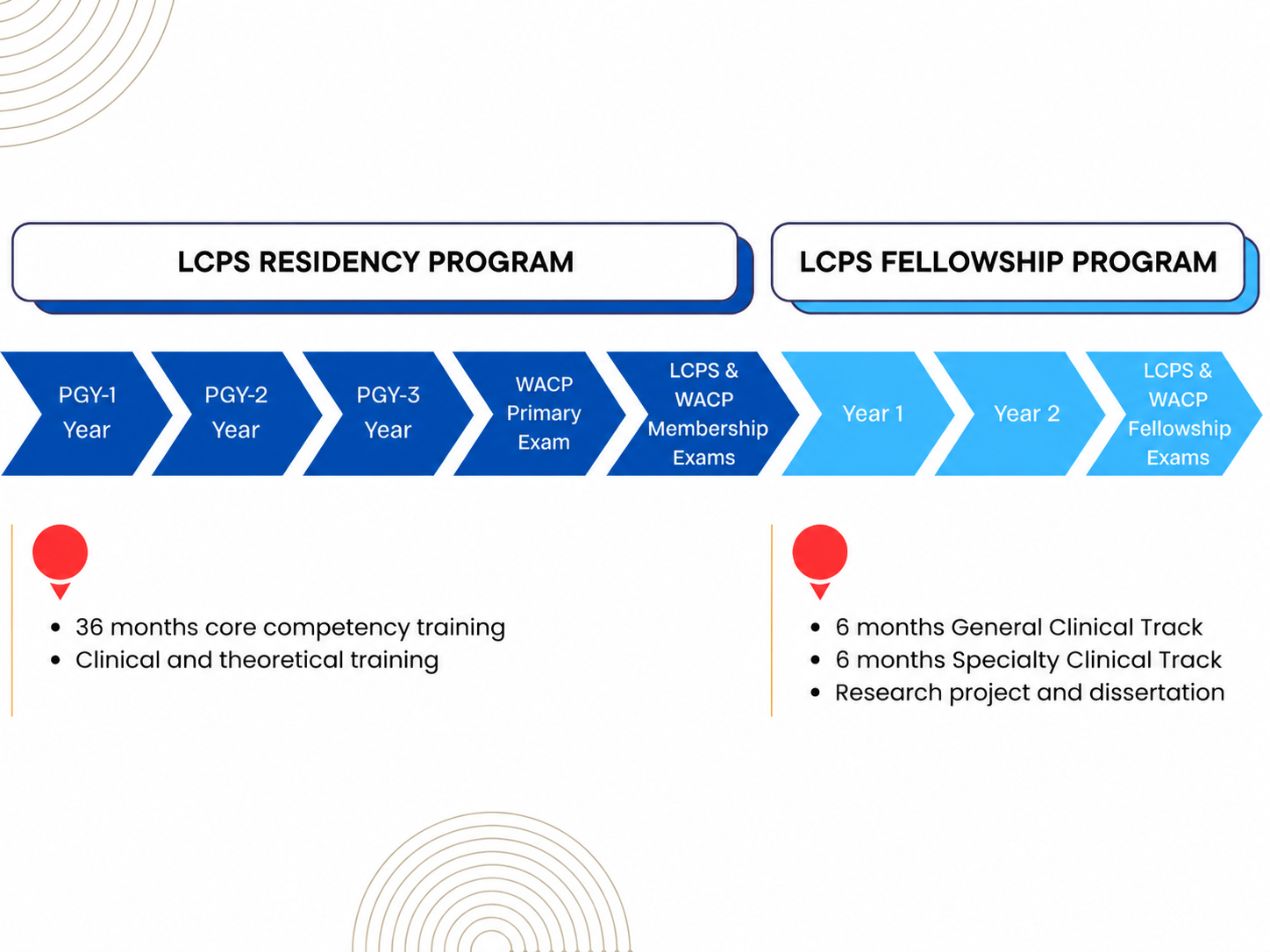
LCPS Psychiatry Residency Program
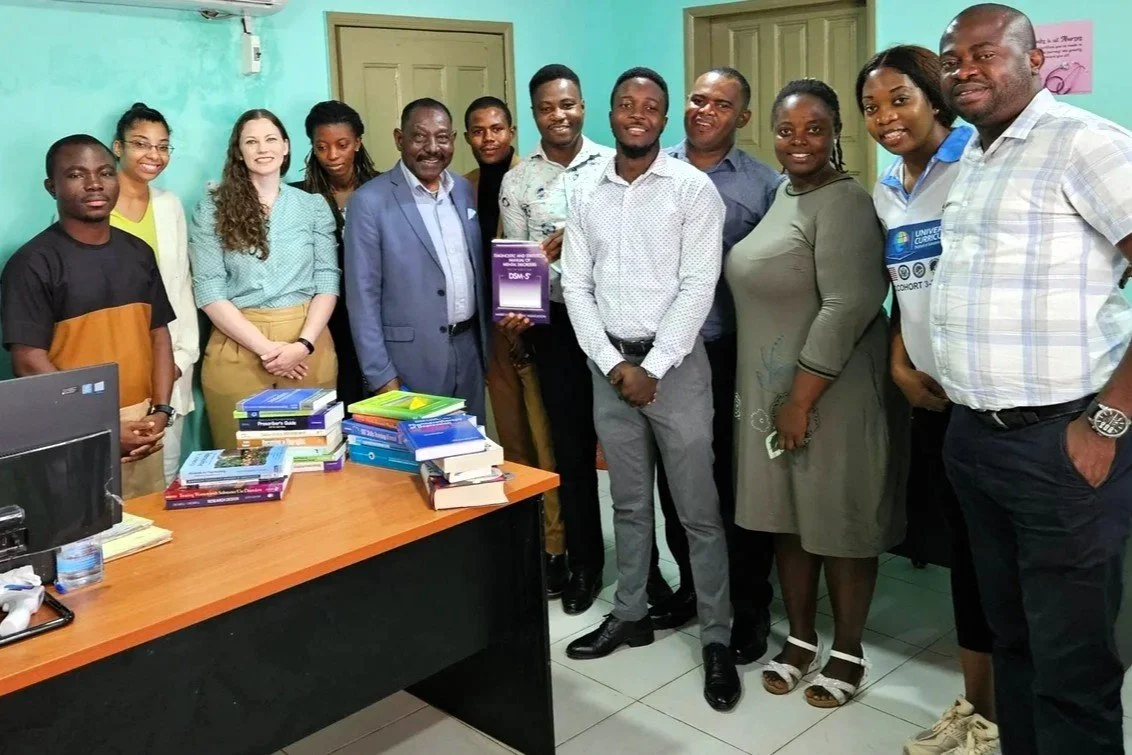
The LCPS Psychiatry Residency Program provides integrated psychiatry training across the lifespan, covering children, adolescents, and adults, alongside public health education. The program also offers specialty training in substance use and its impact on mental health within the community.
Currently, all residency training is conducted at E.S. Grant Mental Health Hospital and JFK Medical Center, both located in Monrovia, Liberia.
The program received regional accreditation from the West African College of Physicians in March 2024.
Program Leadership
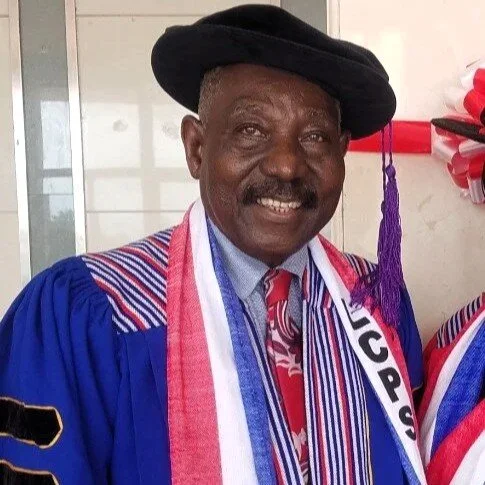
Prof. Benjamin Harris, MD, DPM
Past President of the Liberia College of Physicians and Surgeons and Former Professor and Chair of the Department of Psychiatry of the University of Liberia
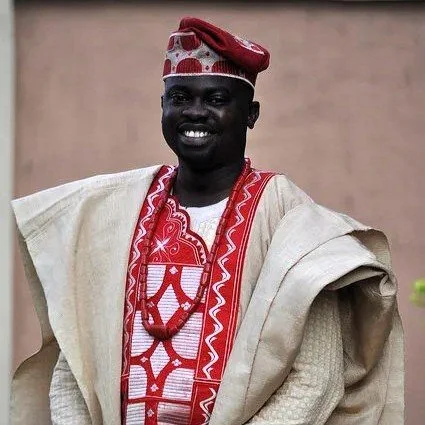
Prof. Babawale Ojediran, MD
Chairman of the Faculty of Psychiatry at the Liberia College of Physicians and Surgeons (LCPS)
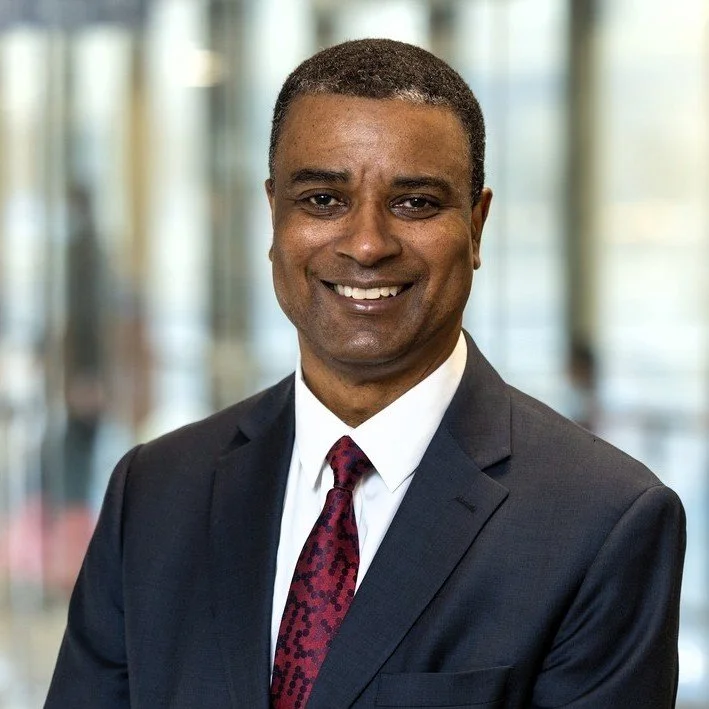
David C. Henderson, MD
Senior Advisor, Global and Local Center for Mental Health Disparities; Psychiatrist-in-Chief, Division of Psychiatry, BMC; Professor and Chair, Department of Psychiatry, BU Chobanian & Avedisian School of Medicine
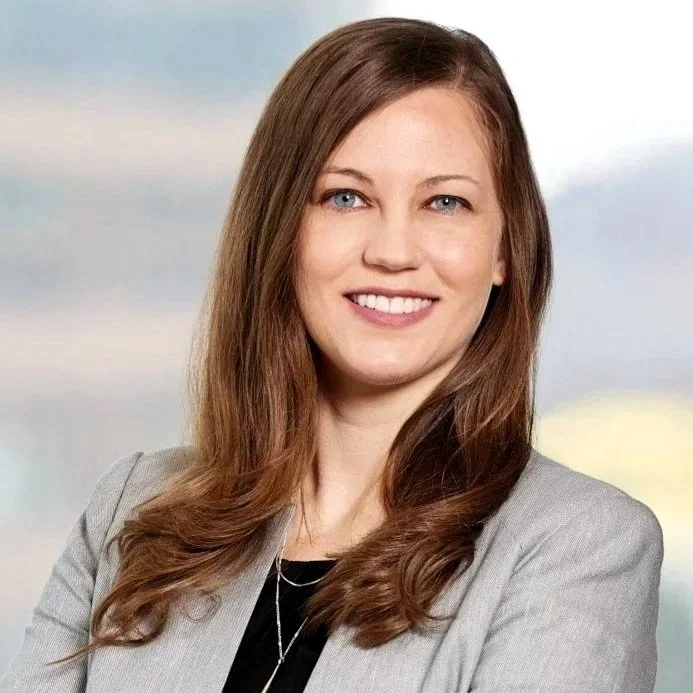
Maria C. Prom, MD
Director, Global & Local Center for Mental Health Disparities; Psychiatrist, Department of Psychiatry, BMC; Assistant Professor of Psychiatry, BU Chobanian & Avedisian School of Medicine
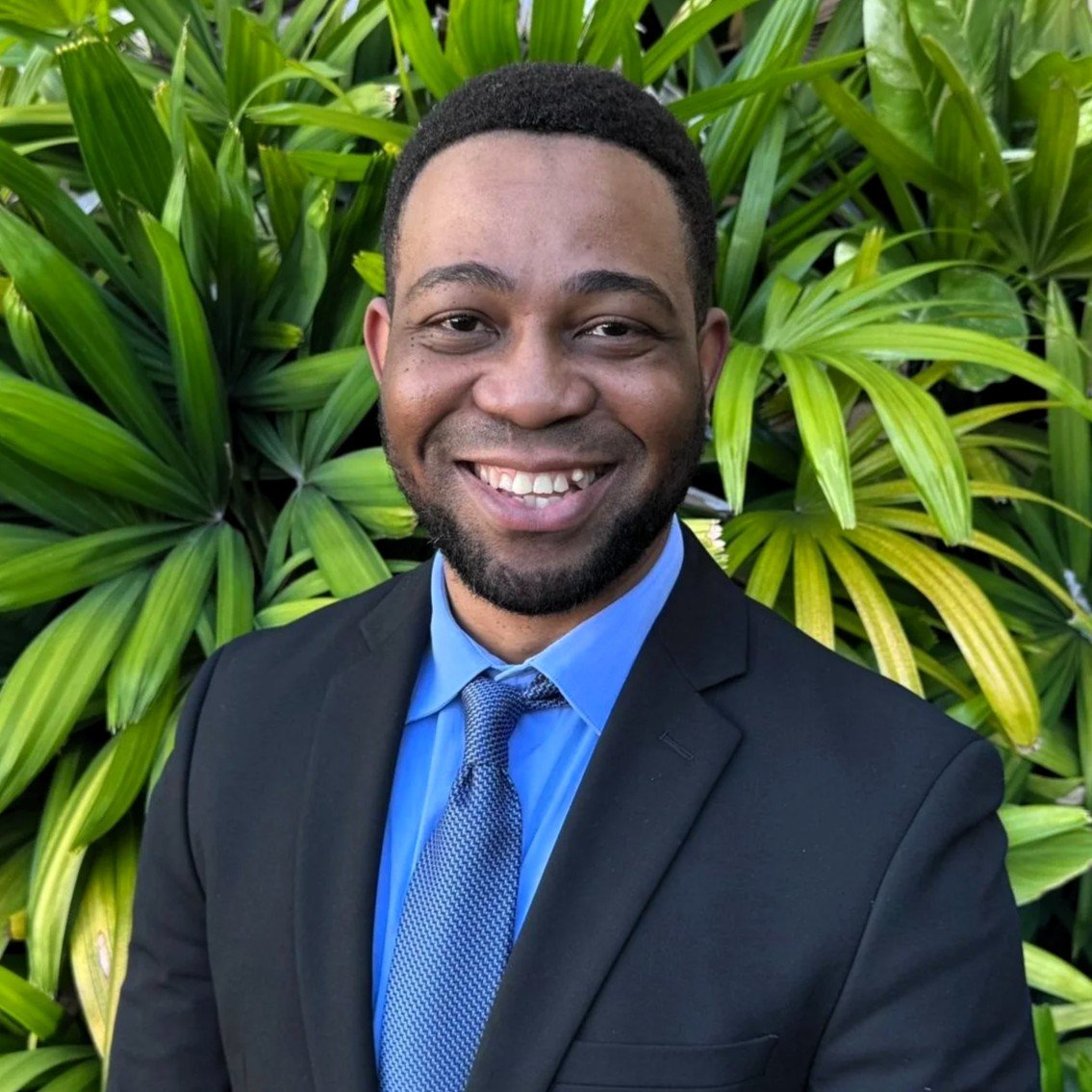
Temitope Ogundare, MD
Liberia College of Physicians and Surgeons (LCPS) Psychiatry Residency Fellowship US Associate Program Director, Global and Local Center for Mental Health Disparities
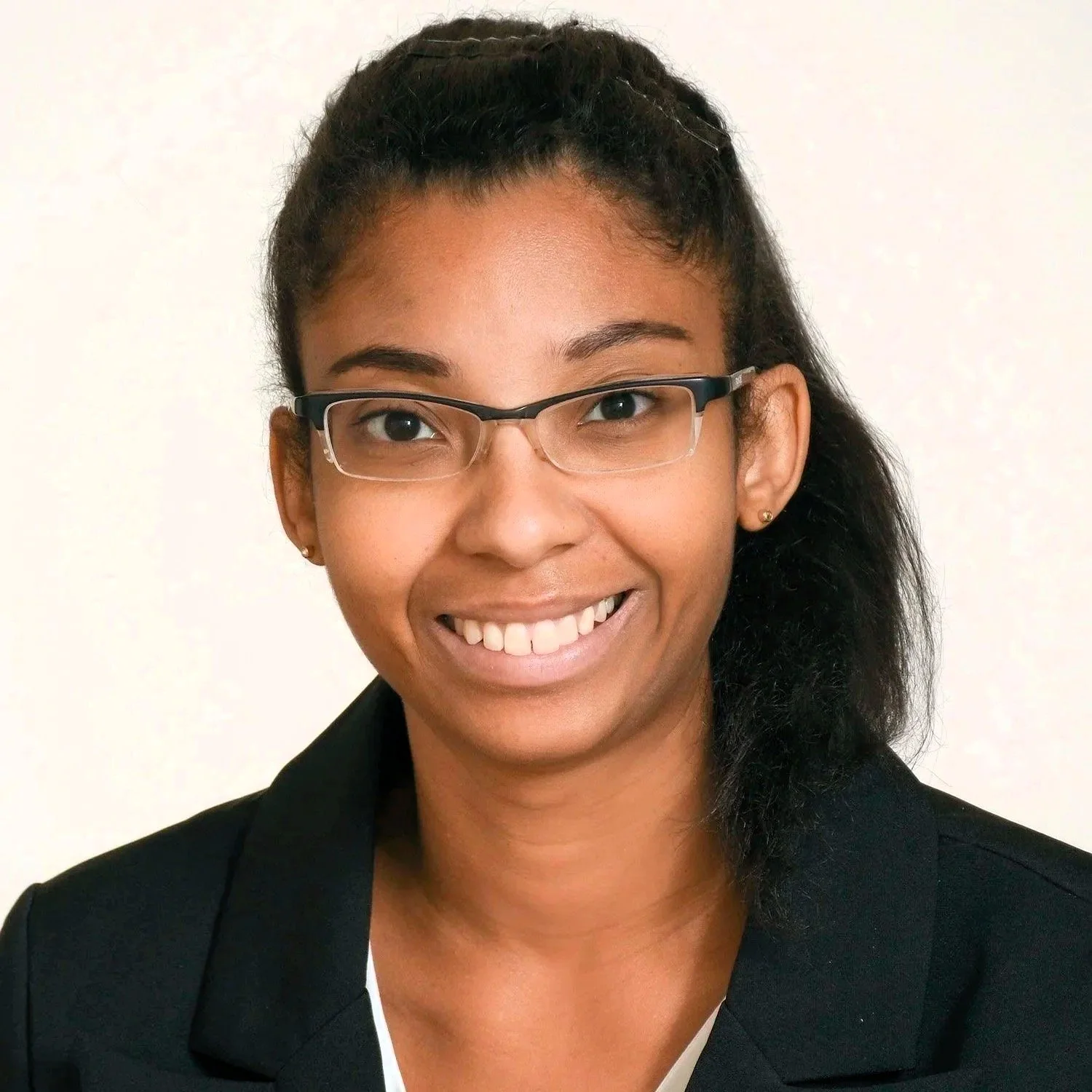
Krisztina Baltimore, PhD
Global Research Associate, Global and Local Center for Mental Health Disparities
Residents
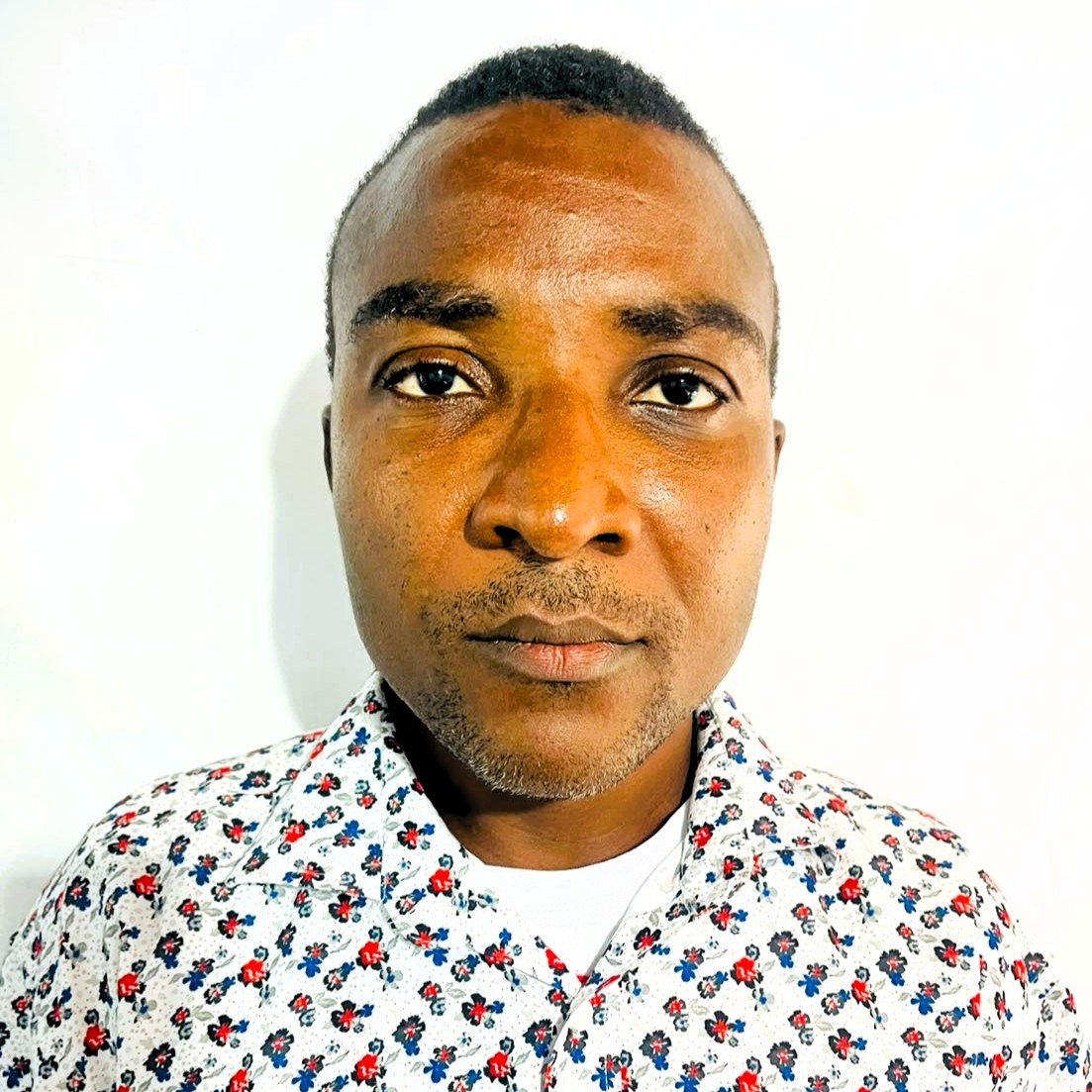
William B. Chea
PGY-1 Resident
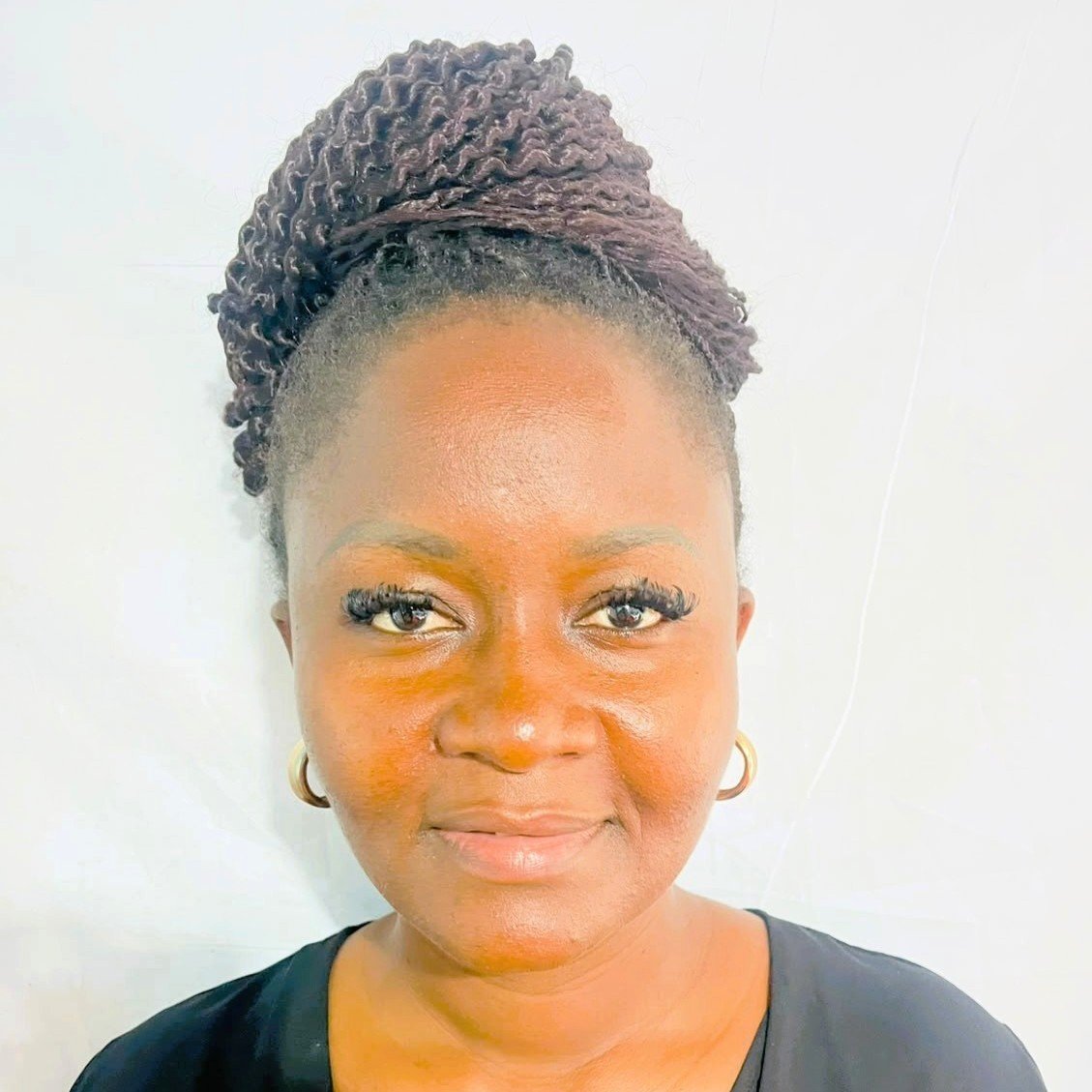
Patricia S. Gray-Caranda
PGY-1 Resident
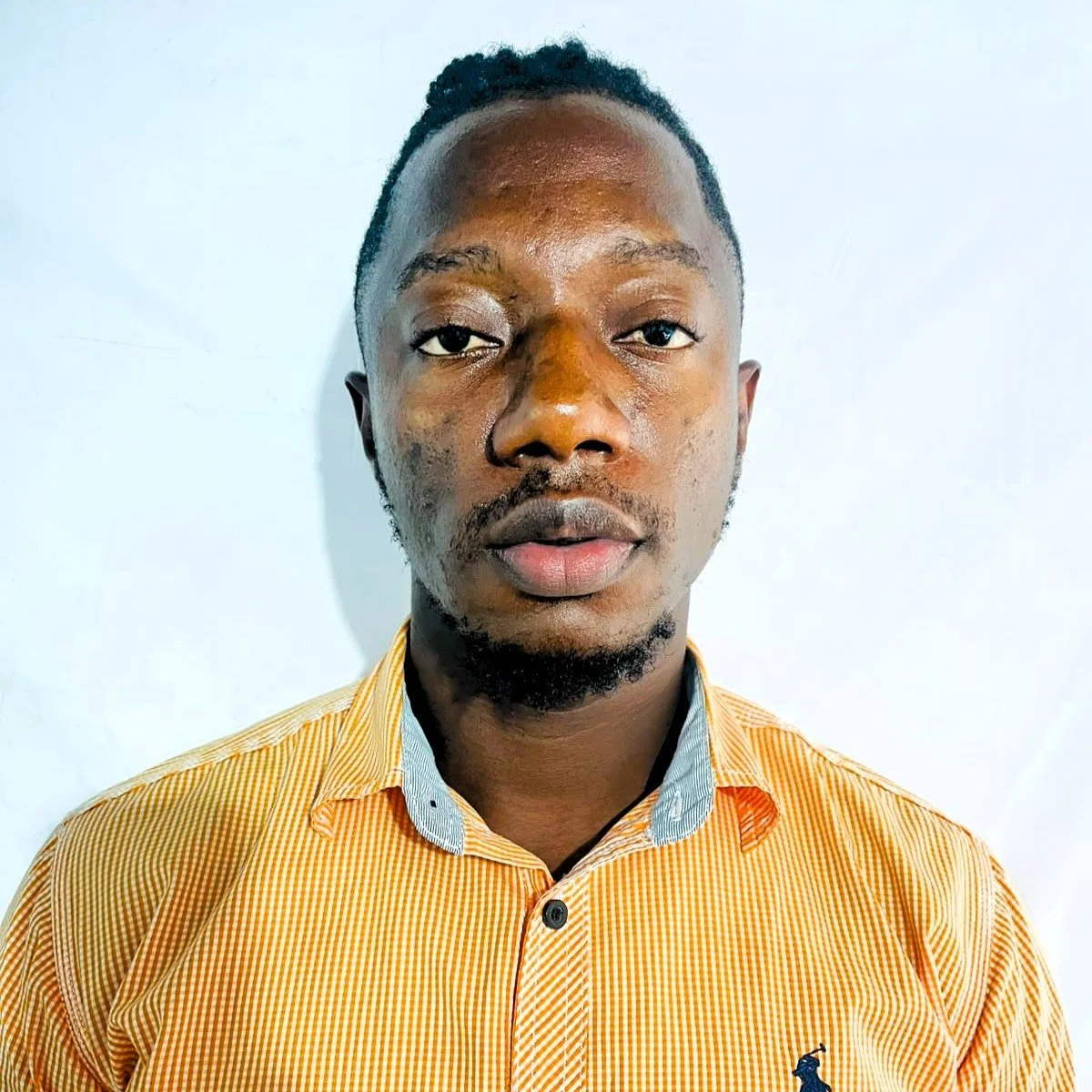
Saykor Ahmed Jusu Jr.
PGY-1 Resident
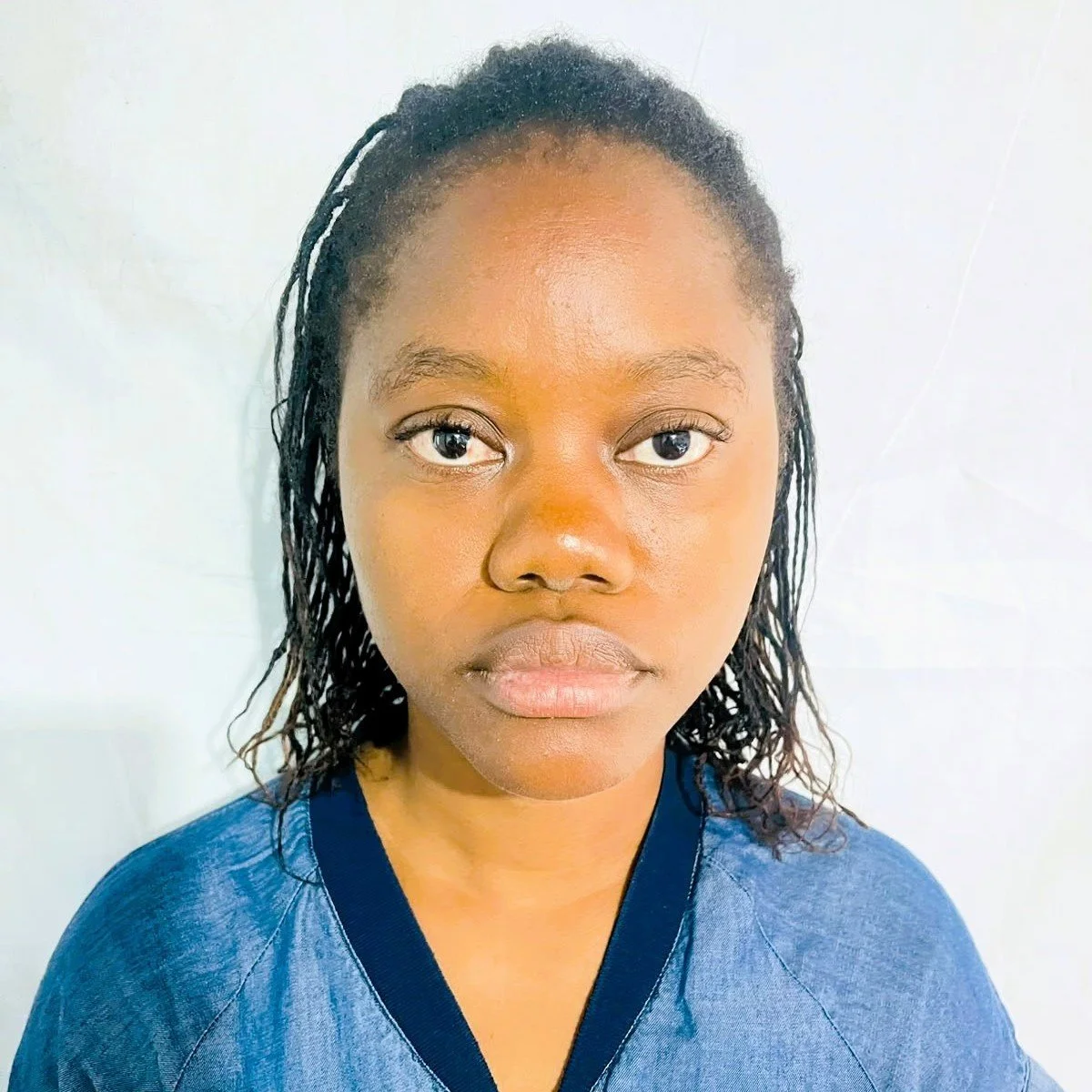
Magdalene N.Q.Z. Mulbah
PGY-1 Resident
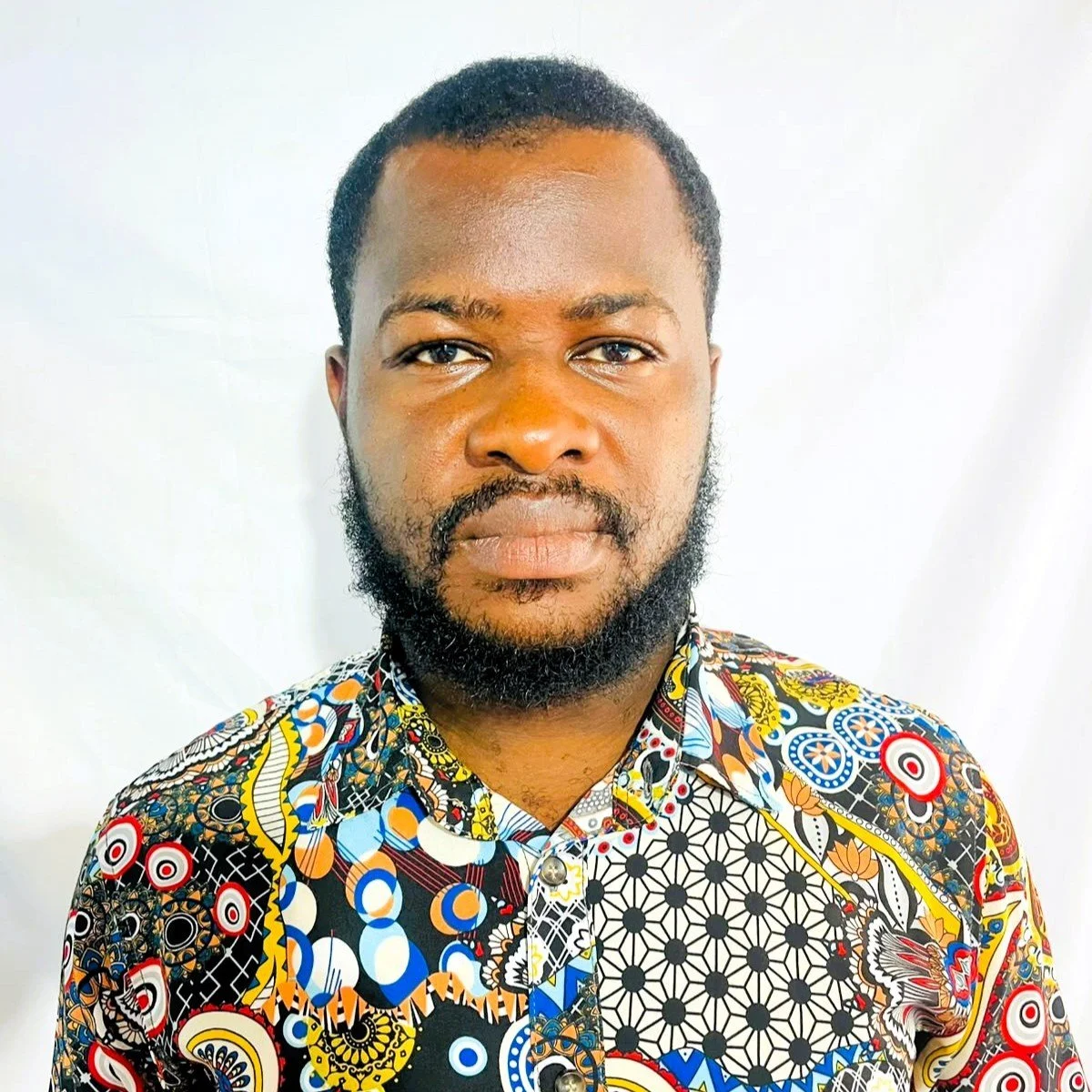
Jefferson J. Yohn
PGY-1 Resident
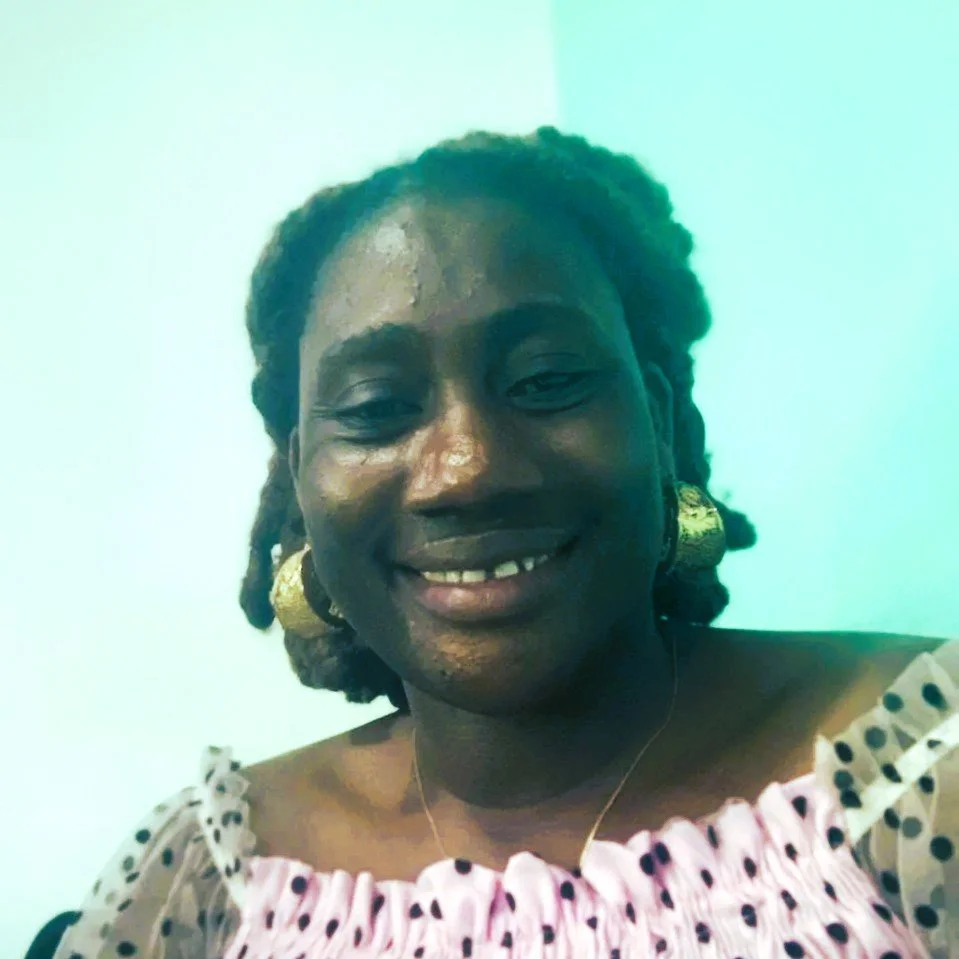
Josephine Bartua
PGY-3 Resident
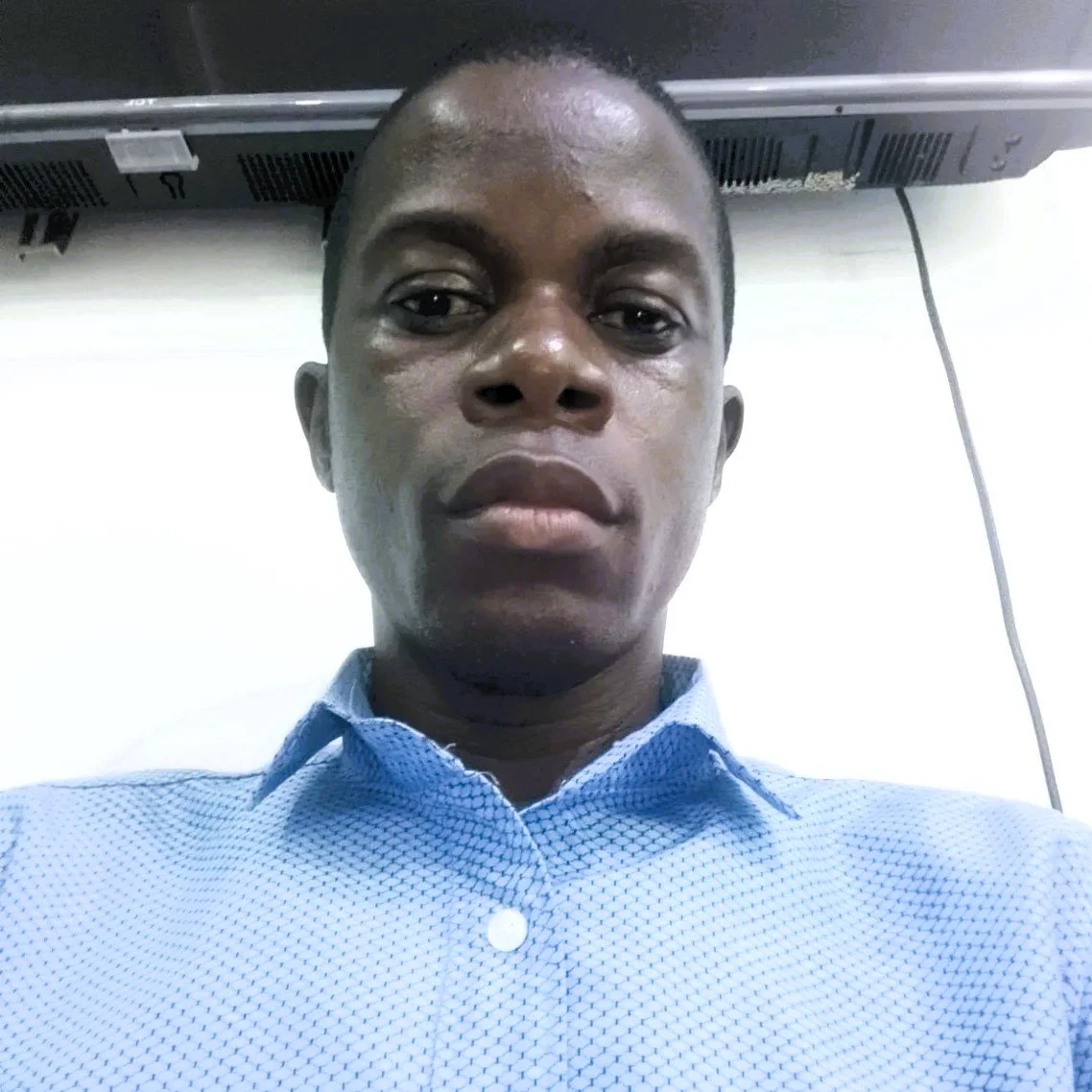
T. Josephus Peters
PGY-3 Resident
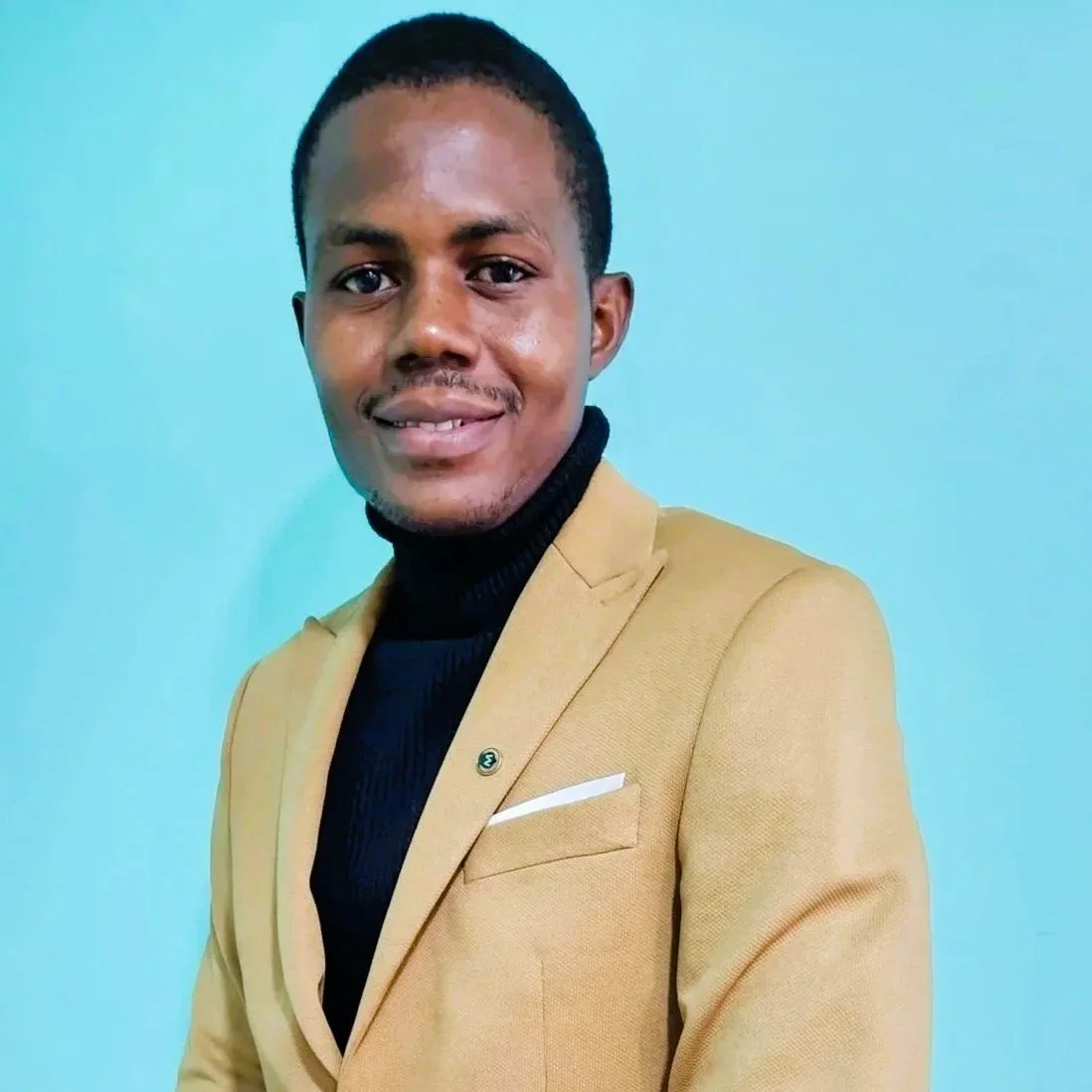
Charles Yekeh
PGY-3 Resident & Chief Resident
Alumni
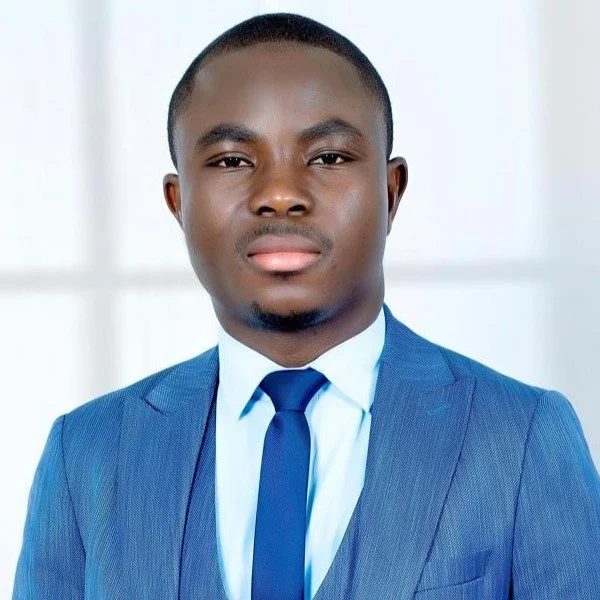
Moses Ziah II, MD
Director of Mental Health in the Ministry of Health, Monrovia, Liberia | Alumni ’22
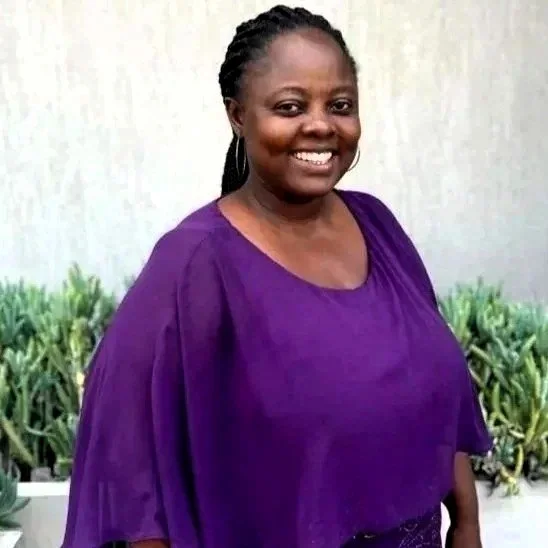
Whyeayee Diggs, MD
Specialist Psychiatrist at E.S. Grant Mental Health Hospital, Republic of Liberia | Alumni ’23
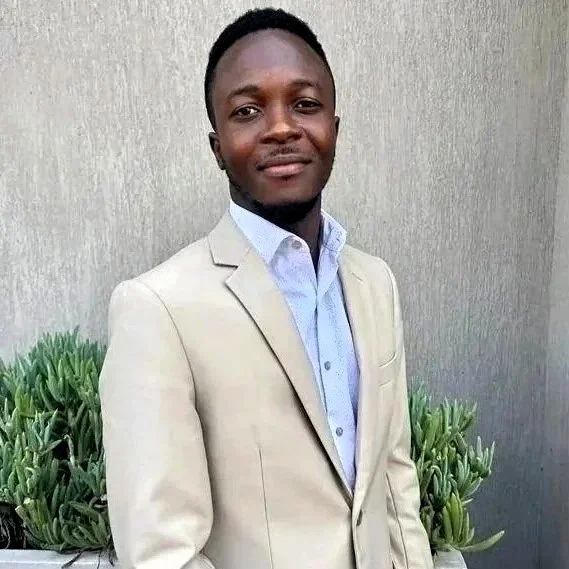
Wilbur T.S. Harris, MD
Specialist Psychiatrist at E. S. Grant Mental Health Hospital, John F. Kennedy Medical Center; Lead Psychiatrist of Substance Use Services at the Ministry of Health, Republic of Liberia | Alumni ’23
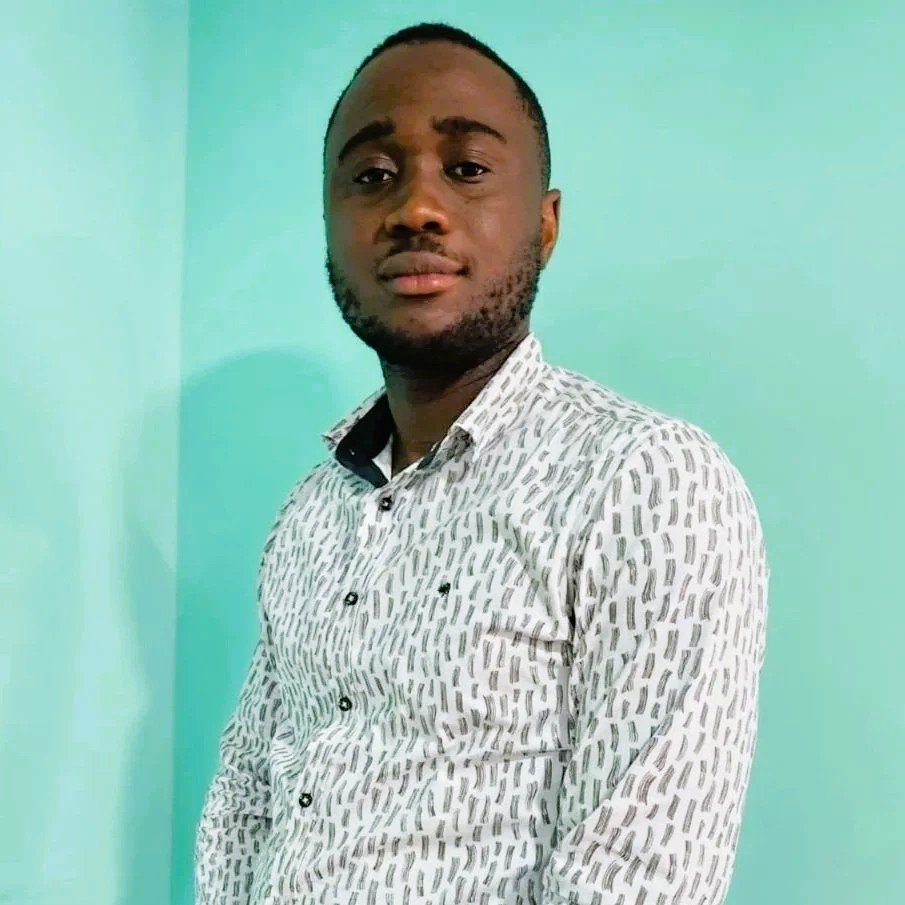
Emmanuel Paye Flomo, MD
Specialist Psychiatrist | Alumni ’24
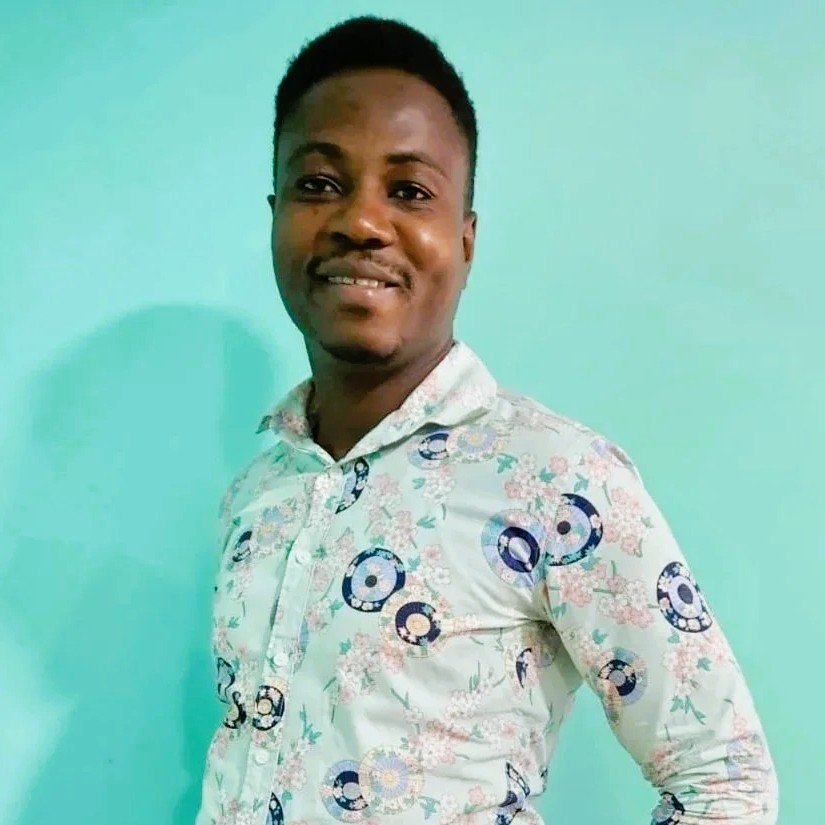
Terry Socro, MD
Specialist Psychiatrist | Alumni ’24
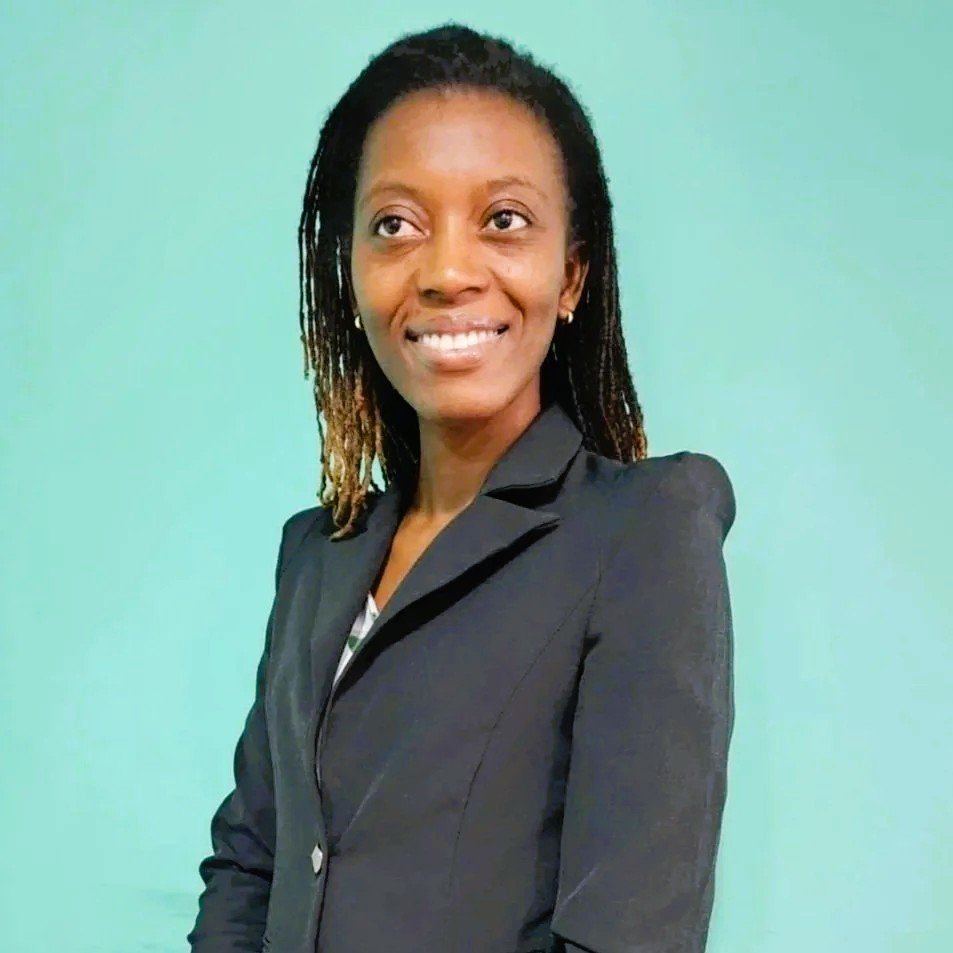
Izetta Sianeh Sheriff, MD
Alumni ’25
Didactic Lecturers
Our Liberia Psychiatry Residency Program didactics are made possible through collaborative partnerships established academic and clinical networks. The Global & Local Center connects with faculty across the Departments of Psychiatry and Neurology from the Boston University Chobanian & Avedisian School of Medicine and collaborators at the Massachusetts General Bringham, Children’s Hospital of Philadelphia, Harvard University School of Medicine, and the King Edward VIII Hospital, Durban, South Africa.
Abrar Al-Faraj, MD
Caroline Altaras, PhD
Maithri Ameresekere, MD, MSc, PMH-C
Pria Anand, MD
Huseyin Bayazit, MD
Marc Beaudin, MD
Allen J. Brown, JD, PhD
Rachel Caplan, MD
Juan Castello, MD
Jaclyn Chua, DO
Stephanie Davidson, MD
Arianna DeGruttola, MD
Michelle Durham, MD, MPH
Antony Gonzales, MD
Khadar Haroun, MD
Paulina Henriquez, MD
Brendan Hodis, MD
Elizabeth Levey, MD
Daniel Li, MD
Monica Ly, PhD
Ariel Marks, MD
Lovern Moseley, PhD
Kathy S. Mu, DO
Ika Noviawaty, MD
Temitope Ogundare, MD
Aditya Pawar, MB, BS
Maria C. Prom, MD
Ana Maria Rivas-Grajales, MD
Zachary Robbiano, MD
Kaila Rudolph, MD
Lindokuhle Thela, MD
Robyn Thom, MD
Chevaughn Wellington, MD
Melissa Xanthopoulos, PhD, MS
LCPS Psychiatry Fellowship Program
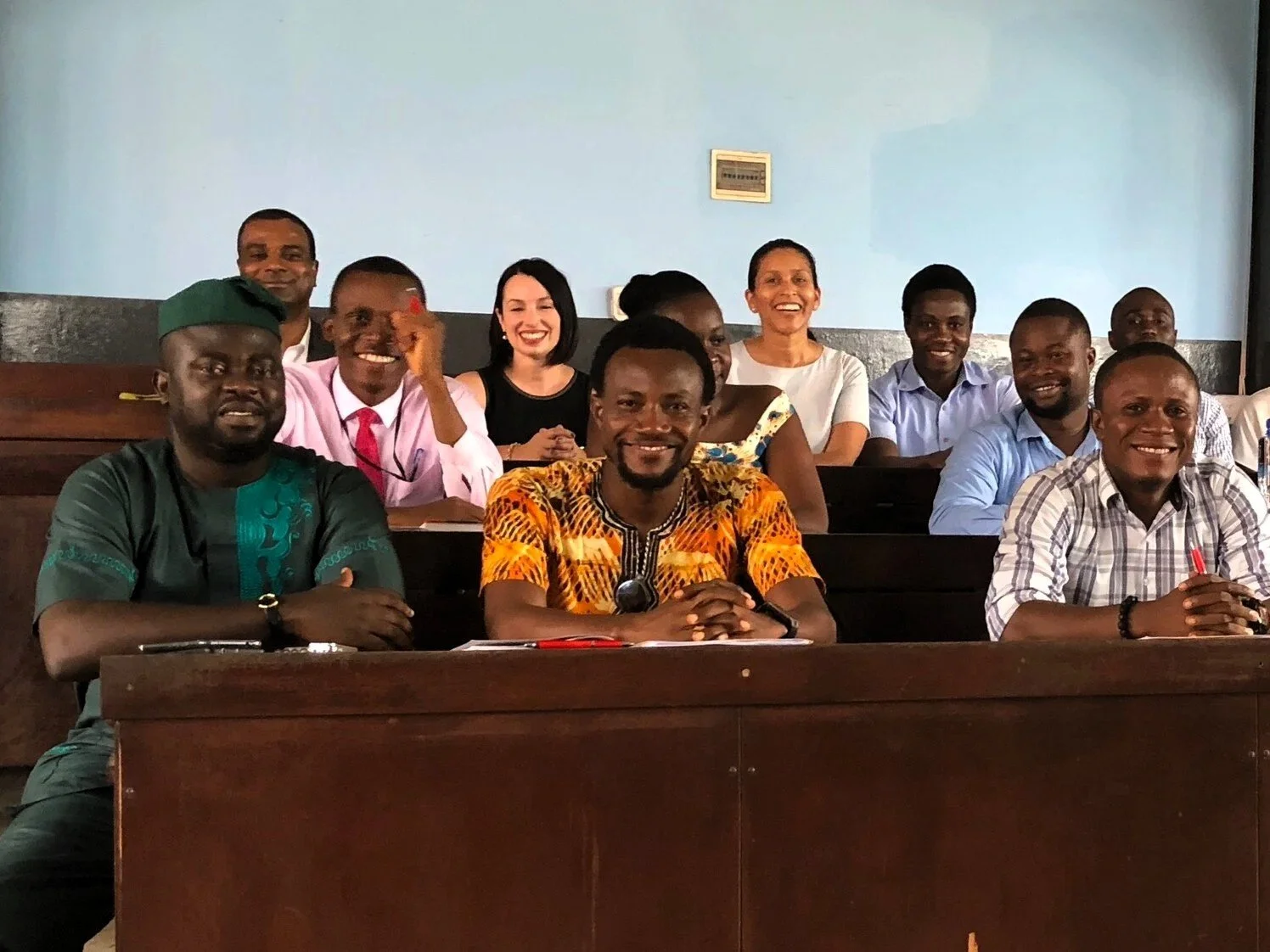
In 2025, the BUSM/BMC Department of Psychiatry’s Global & Local Center partnered with the Liberia College of Physicians & Surgeons (LCPS) to launch the LCPS Fellowship Program at the University of Liberia A.M. Dogliotti School of Medicine.
The Fellowship Program consists of two concurrent components, clinical training and research training.
By the end of the training, trainees are expected to have developed a comprehensive research proposal, completed data collection and analysis, produced a dissertation, and submitted a manuscript for publication.
Fellows ’25–’26
Whyeayee Diggs, MD
Moses Ziah II, MD
Completed Projects
Assessing the Psychological Impact of Ebola and COVID-19 Among Adults in Central and Greater Monrovia, Liberia

As the COVID-19 pandemic is ongoing, the greater public health community is working towards understanding the long-term effects of the pandemic on mental health outcomes. The current study aims to assess the mental health effects of COVID-19 in Monrovia, Liberia in the context of a population previously exposed to violent and traumatic war-related events that ended in 2003, as well as to a recent Ebola epidemic in 2014-15. The coastal capital of Monrovia has the highest population density in Liberia, with an estimated 58% of the population living in the capital city. An additional 40% of the rural population live in the immediate areas around the capital city. The current study will assess psychological distress and functional impairment among the general population of Liberian adults ages 18 years+ located in and around the greater Monrovia area. Findings from this study may inform future prevention, intervention, and treatment strategies for mental illness in Liberia and similar post-conflict settings.
Partner: University of Liberia A.M. Dogliotti College of Medicine
Lead Investigator: Drs. Benjamin Harris and David C. Henderson
Measuring Substance Use and High-Risk Behaviors of Youths in Post-Conflict Liberia
Studies suggest that harmful substance use is higher in post-conflict settings, and particularly among young people. This study utilized mixed methods to: 1) qualitatively examine the language used by school-based Liberian youth aged 12-22 years to discuss substances and sexual behaviors; and 2) quantitatively assess the prevalence of substance use and risky sexual behaviors among in-school Liberian youth.
Partner: University of Liberia A.M. Dogliotti College of Medicine
Lead Investigator: Dr. Christina P.C. Borba
Publications:
Ghebrehiwet S, Harris BL, Ojediran B, Owusu M, Augello LP, Durham MP, Henderson DC, Borba CPC. Using local terminology to measure substance use behaviors among youth in post-conflict Liberia: a mixed methods study. Vulnerable Children and Youth Studies. 2020 Oct 27:1-3.
Ogundare T, Ghebrehiwet S, Harris BL, Ojediran B, Duncan AM, Syeda HS, Henderson DC, Borba CPC. Risky sexual behaviors and substance use among youths in post-conflict Liberia. Journal of Public Health and Epidemiology. 2020 Jun 30;12(2):114-27.